Tabaccopedia: everything about Cavendish
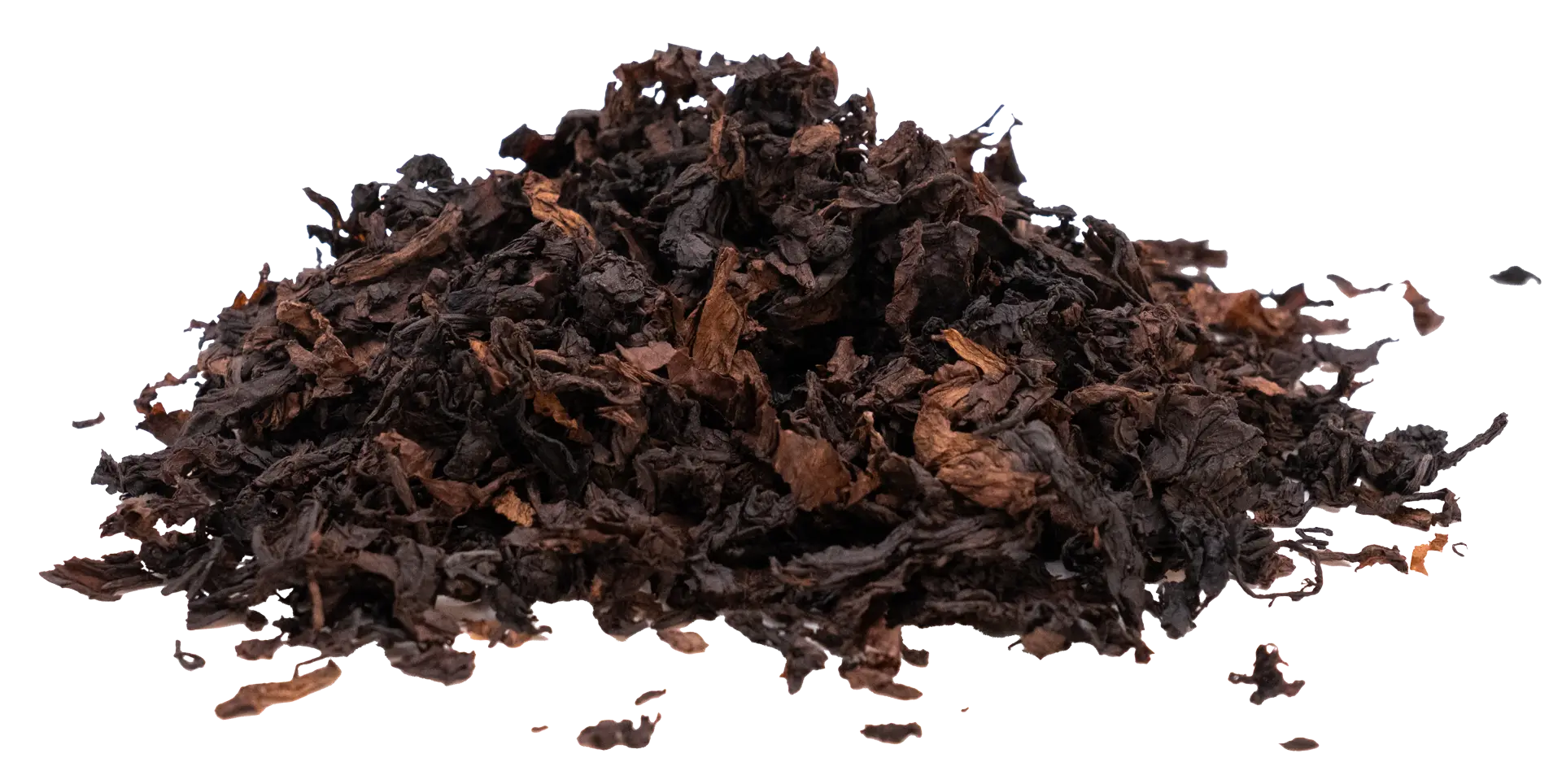
Welcome to the new episode of Tabaccopedia, Blendfeel’s series in collaboration with SvapoStudio dedicated to discovering the secrets of tobacco.
Having explored Virginia and Burley, two pillars of the tobacco world, today we set out to discover Cavendish.
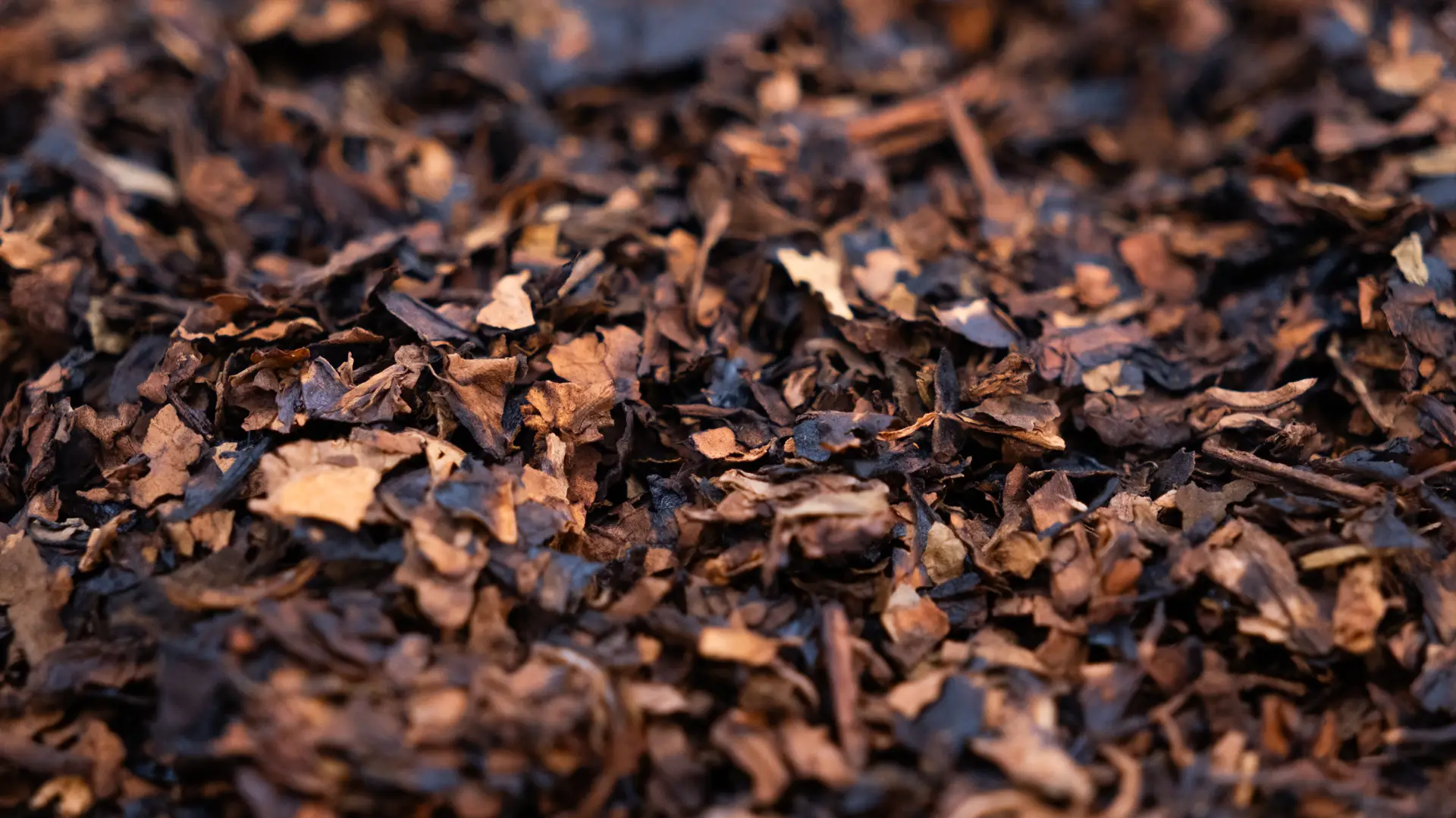
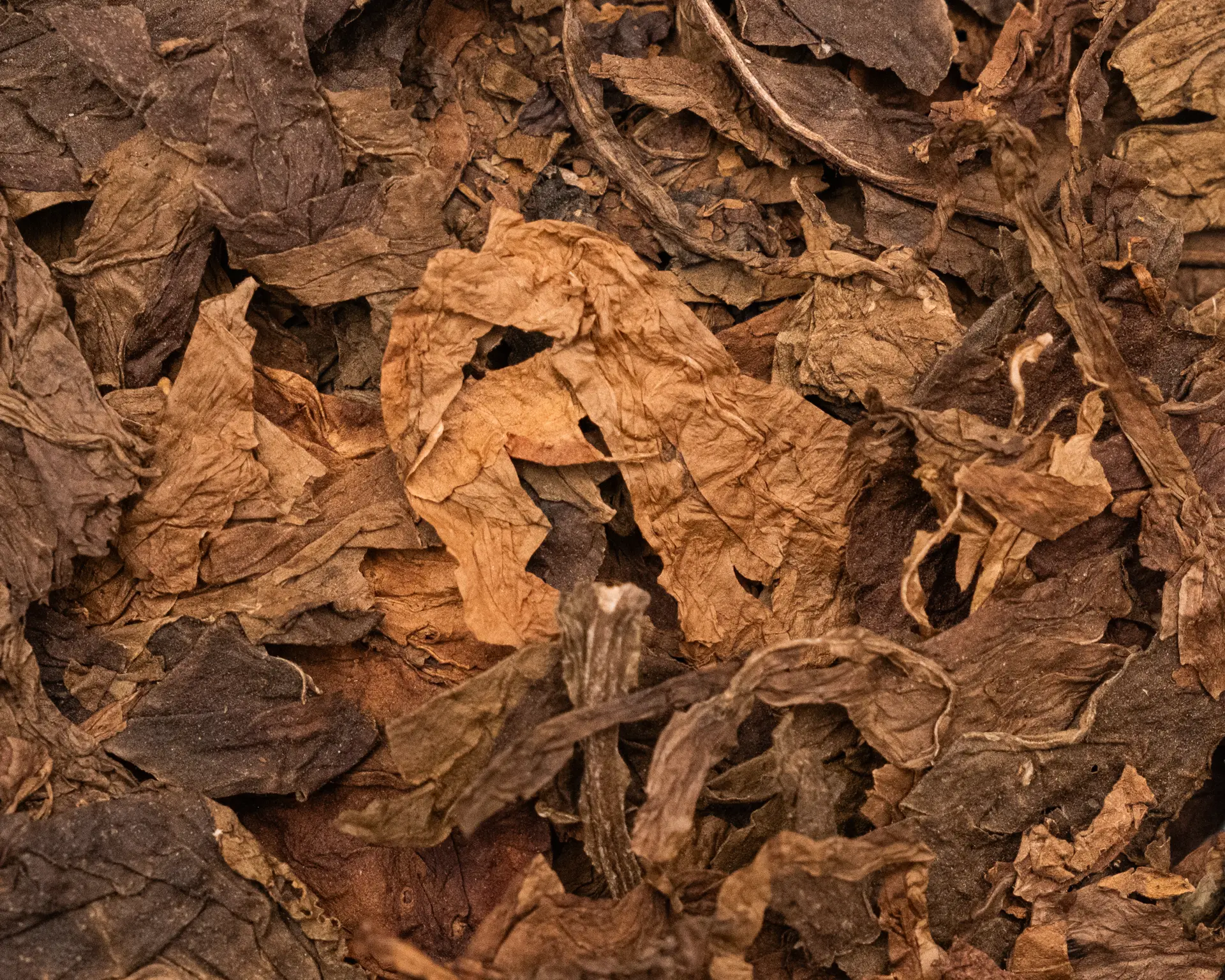
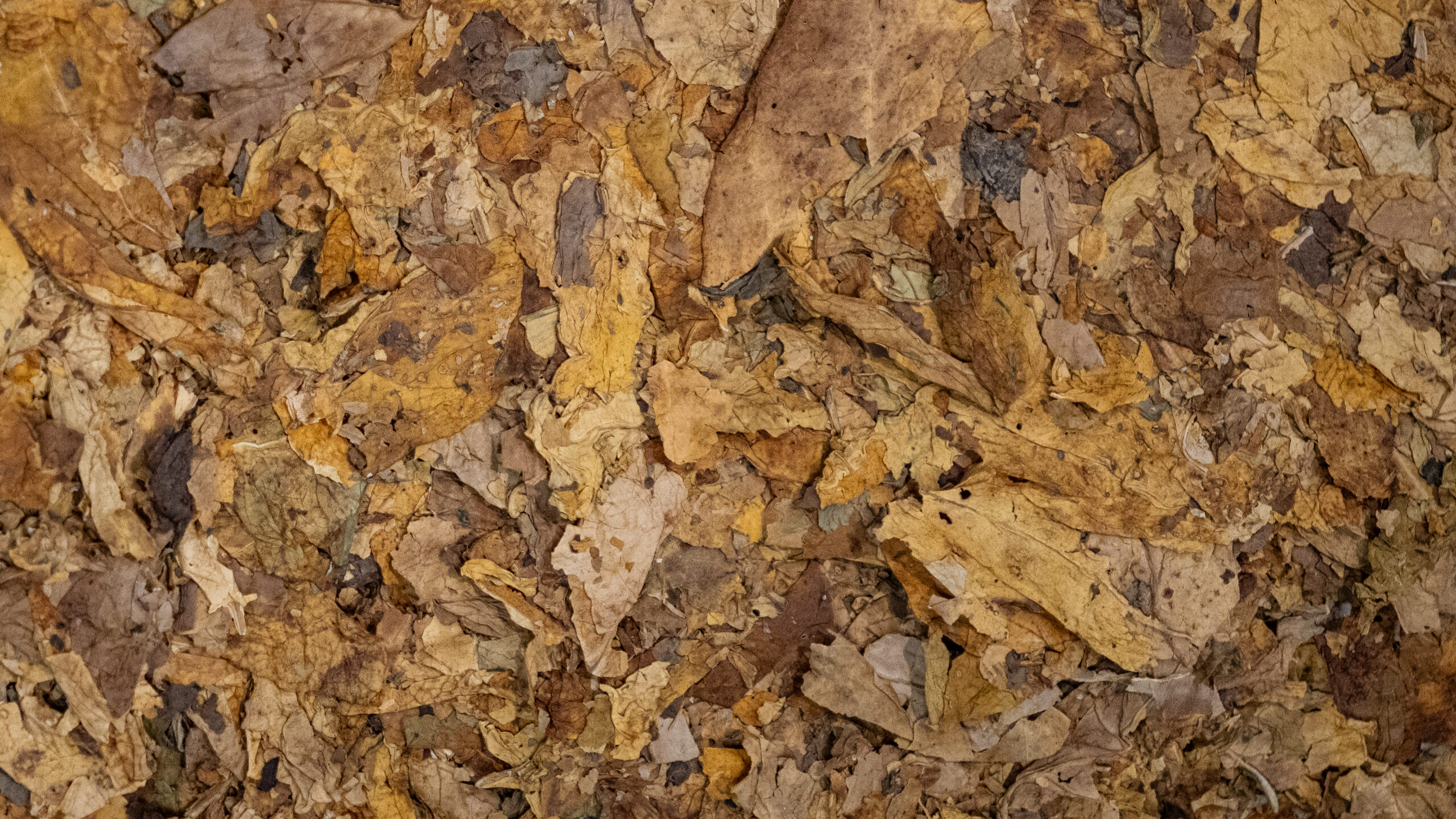
Unlike its predecessors, Cavendish is not a botanical variety of plant, but a fascinating processing method applied to tobacco leaves. It is the “sweet companion” of almost every pipe blend, loved for its extraordinary softness and unmistakable aroma.
Are you ready to discover all its secrets? 👇
The origins: between history and legend

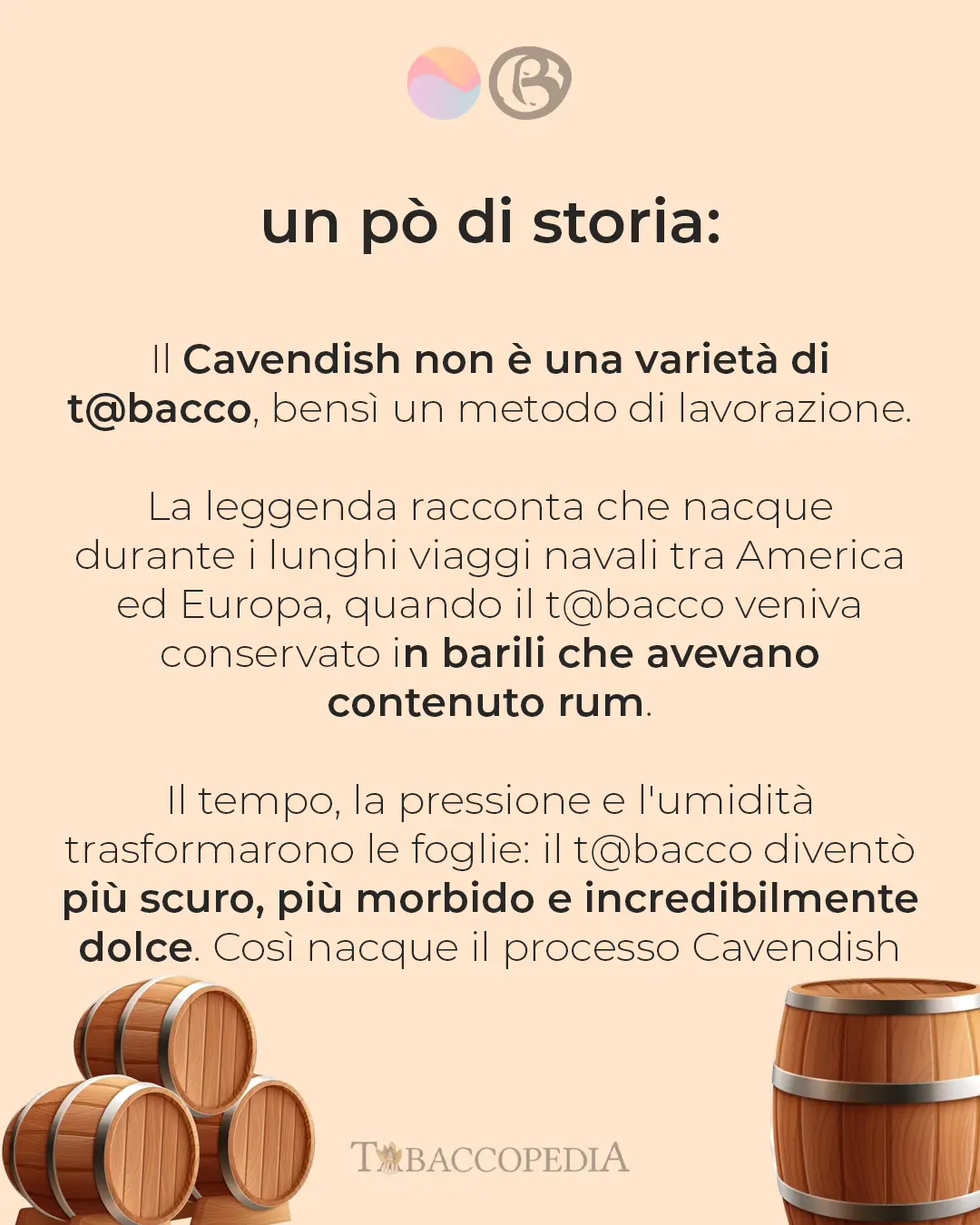
The birth of Cavendish is shrouded in the mystery of ocean routes. One of the most famous legends tells of a certain Captain Cavendish, a pipe smoker and seafarer, who carried rum from Jamaica and tobacco from Virginia to England.
During a crossing from Virginia to England, he stowed the tobacco in barrels that had previously held rum.
The time spent at sea, combined with the pressure and the liquor residues, triggered spontaneous fermentation. On arrival, the tobacco had become dark, sweet and incredibly fragrant: a new way of processing tobacco had been born, almost by chance. From then on, in fact, tobacco began to be fermented for a long time in environments saturated with rum vapours.
Other sources attribute the experimentation to William Cavendish, Duke of Newcastle, who around 1660 began to soak the leaves in syrups and honey.
So ...
Cavendish is not strictly a plant variety (like Virginia or Burley), but rather a processing method applied to tobacco leaves.
The processing method
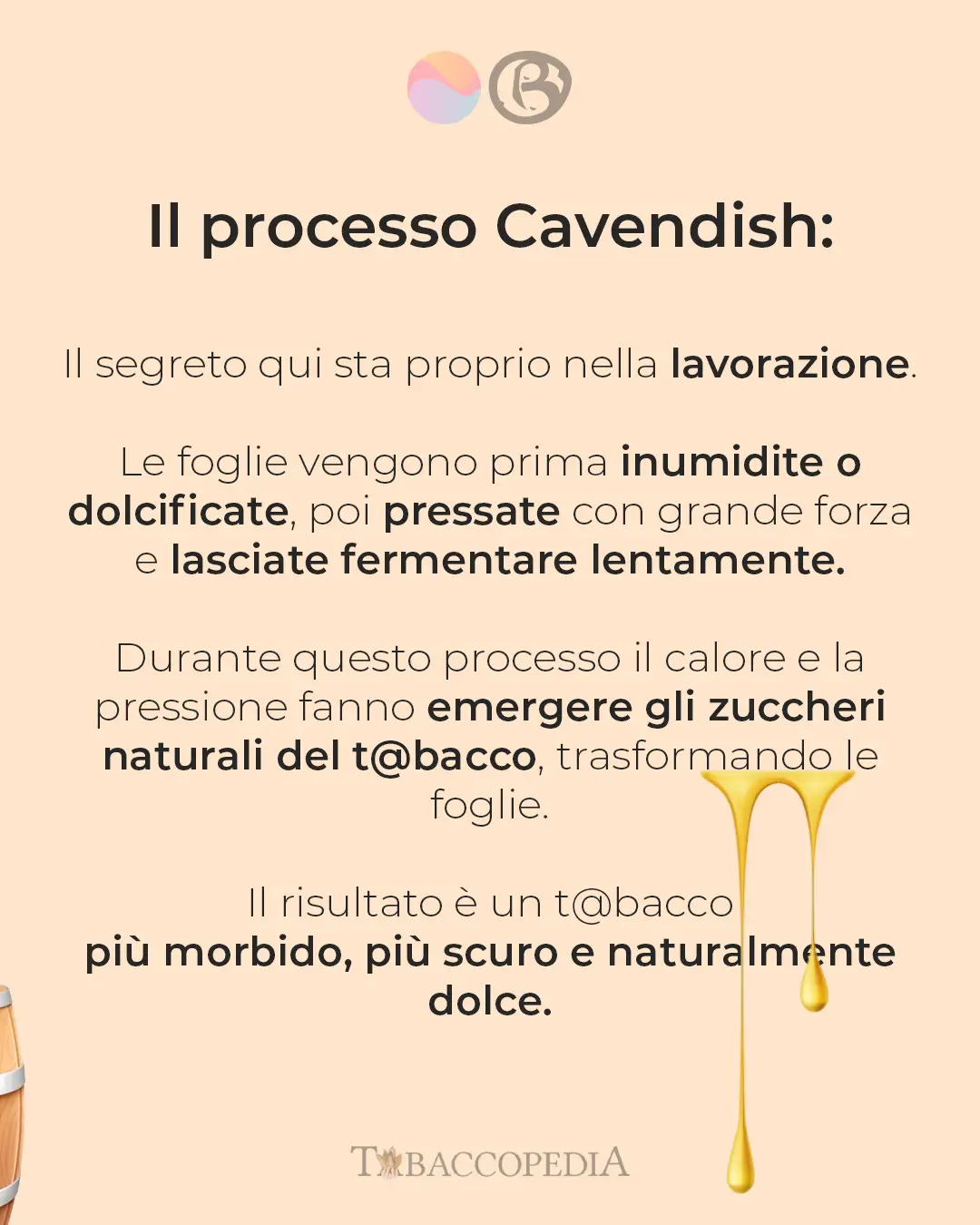
If Virginia shines for its natural sugars and Burley for its capacity to absorb, Cavendish is the result of a thermal and mechanical treatment. The process can be summed up in three key phases:
Flavouring/sweetening: the leaves are soaked in substances such as maple syrup, honey, liqueurs or fruit extracts (cherry, plum).
Pressing: the tobacco is subjected to strong pressure by special machinery.
Fermentation: the combined action of heat and pressure draws out the sugars and transforms the aromatic profile of the leaf
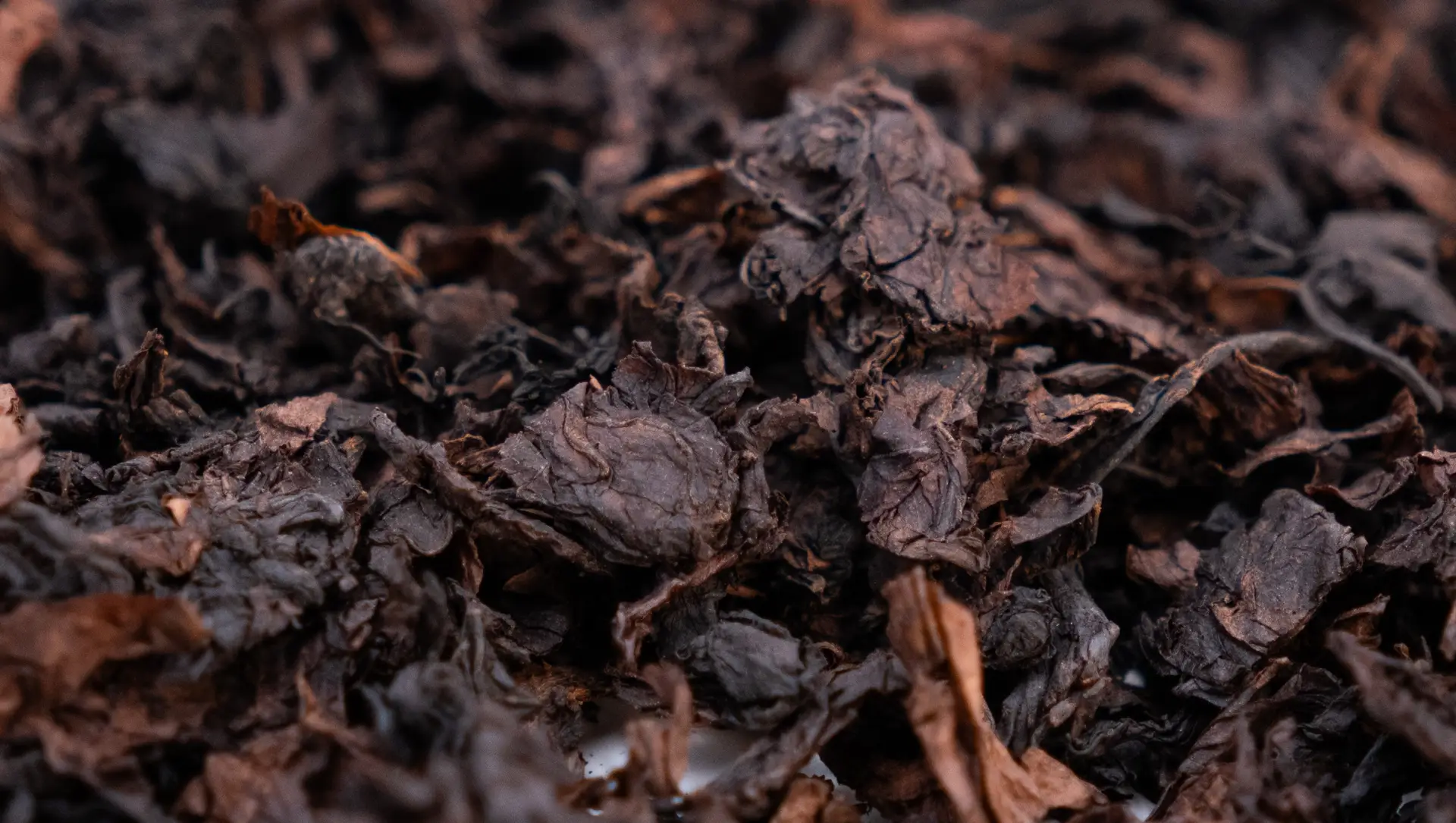
The different souls of Cavendish
Since Cavendish is not a botanical variety of tobacco but a processing method, each producer can modify and customise the procedure with different timings and treatments.
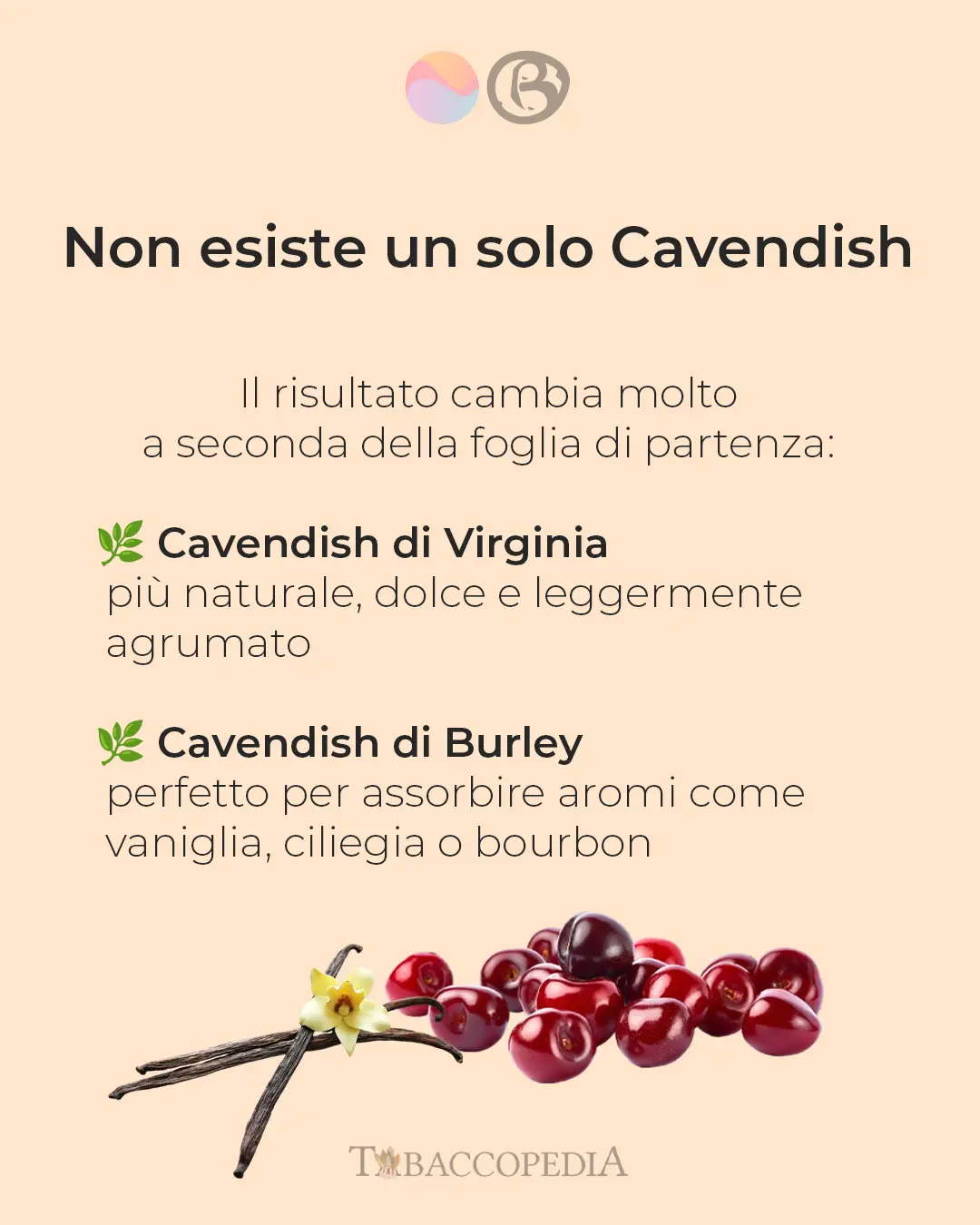
So there is not just one Cavendish, but several nuances that depend on the base used and the ingredients added:
Virginia Cavendish
The noblest form: it makes use of the plant’s high natural sugar content to obtain a tobacco that is naturally sweet and citrusy. Cavendish made from Virginia is typical of the European and British school.
Burley Cavendish (American Style)
Since Burley is almost devoid of sugars and has a “sponge-like” structure, American producers use it as the perfect base to absorb syrups made with intense cherry, vanilla or bourbon flavourings. Today it is becoming the heart of modern “aromatic” tobaccos.
Black Cavendish
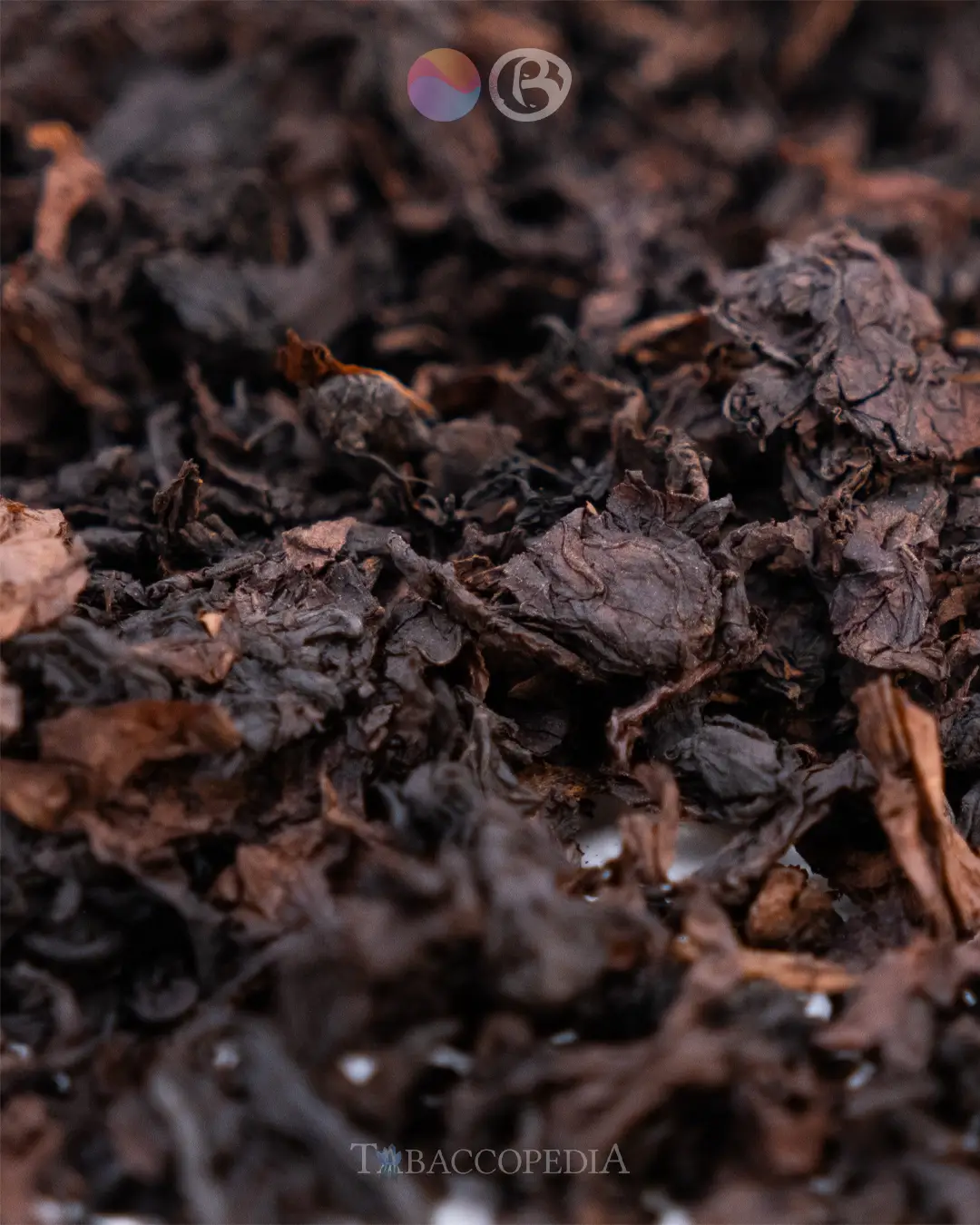
Contrary to popular belief, its black colour does not come from roasting (burning), but from a prolonged steam-cooking process that caramelises the sugars.
Navy Cavendish
The original, traditional version, it is obtained from naturally aged Virginia with the addition of rum. This “native” version provides that the Virginia is first soaked or wetted in rum, then heavily pressed and finally left to ferment.
Sweet Cavendish
This version of Cavendish does not involve the addition of flavourings, but only the addition of sugars. It is obtained from Virginia or Burley and sometimes from a blend of both.
In the process, the tobacco is soaked in sugared water and, once moistened, it is left to rest so that the sugars penetrate the leaves; finally it is pressed and left to ferment. This process produces a sweet, sugary taste.
Natural Cavendish
“Natural” means precisely that this is the natural version of Cavendish, that is, without the addition of any sugar or flavouring.
The tobacco acquires a pleasant, slightly sweet taste, which preserves the natural taste of Virginia. The British also call this “natural” version unsweetened cavendish or unflavoured cavendish.
Aromatic nuances
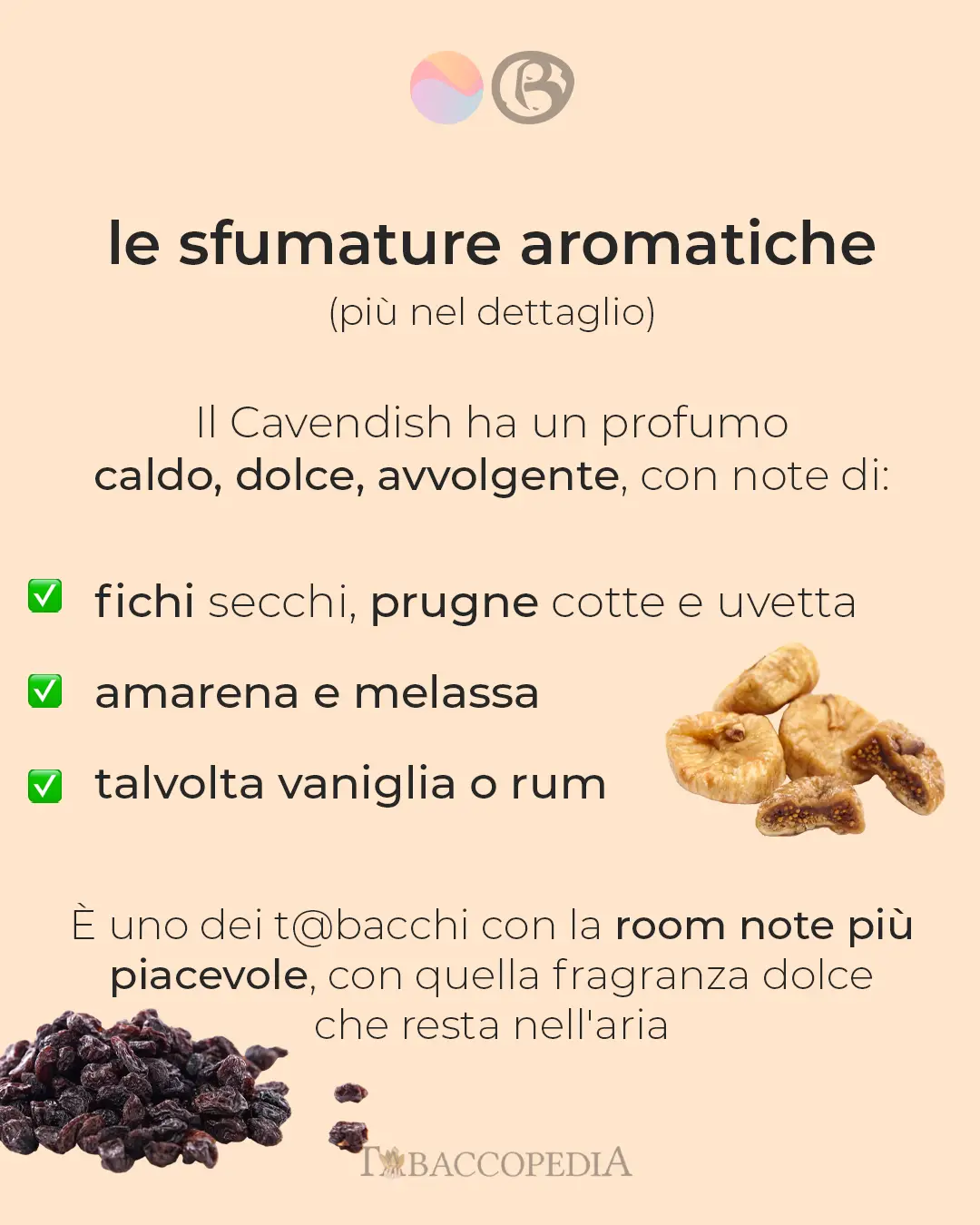
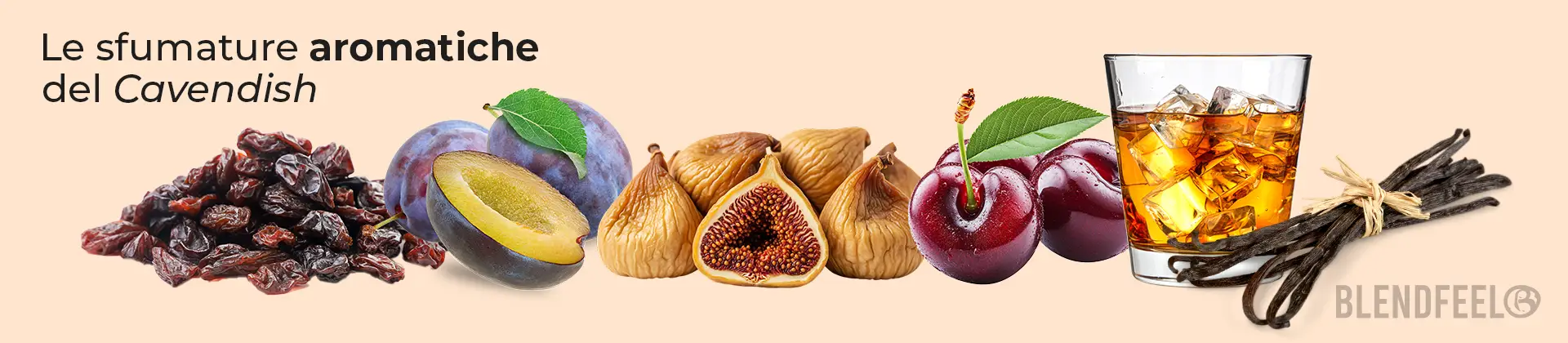
Cavendish is famous for its “Room Note”, that sweet, warm and enveloping scent that spreads through the room.
When vaping, you can appreciate notes of:
- dried figs
- plums
- raisins
- morello cherry
- sometimes you may also perceive notes of vanilla and rum.
Cavendish is therefore characterised by a soft, sweet, full and velvety taste: in short, a very pleasant, round flavour.
Moreover, thanks to the processing method, the tobacco loses its natural harshness (avoiding the annoying tongue bite) and gains body and darkness. It is often used in English Mixtures to give depth to the blend without altering its aromatic neutrality too much.
The role of Cavendish in blends
Thanks to the particular processing method, the tobacco loses its natural harshness (avoiding the annoying tongue bite) and gains body and darkness. Cavendish is often used in English Mixtures to give depth to the blend without altering its aromatic neutrality too much.
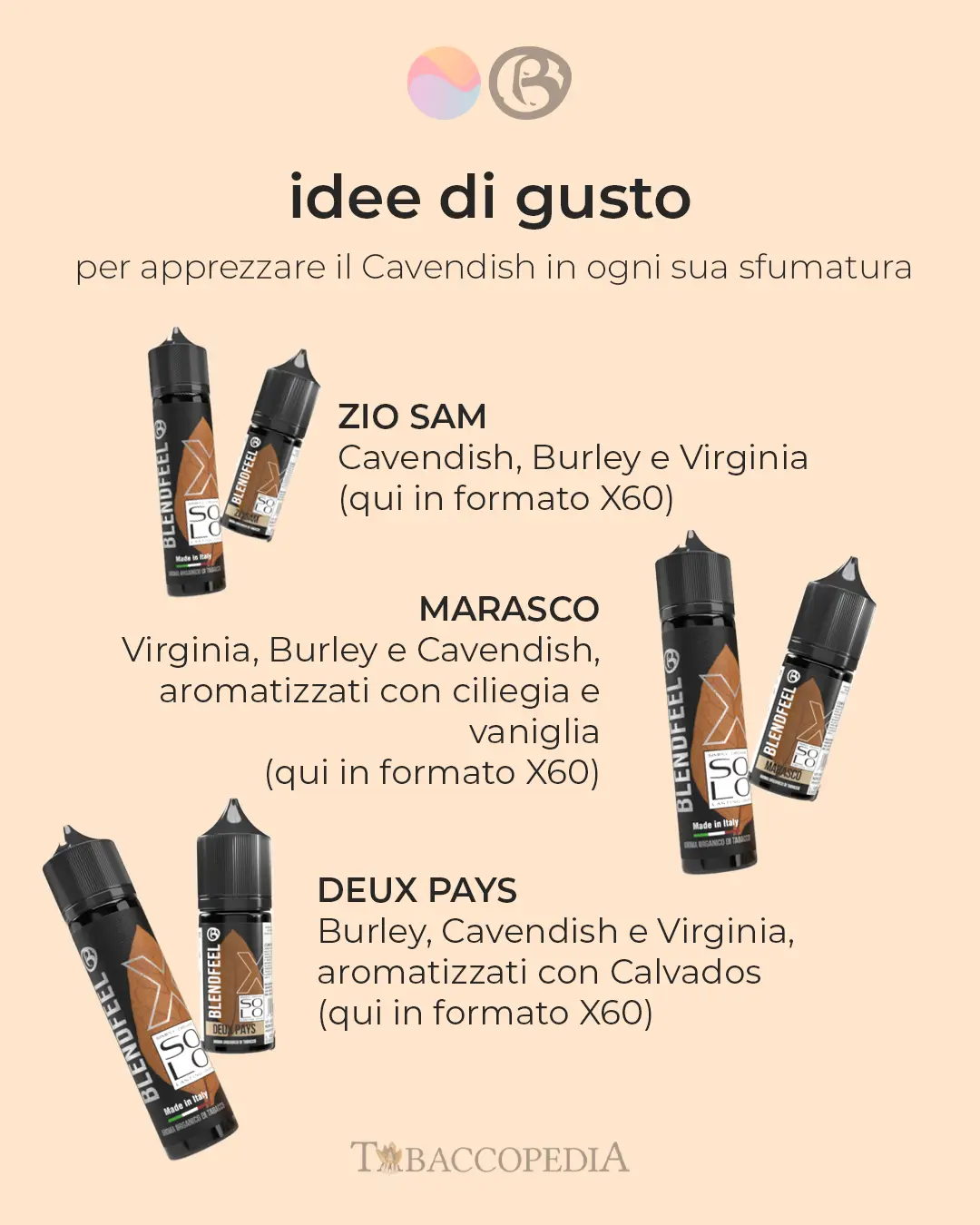
Flavour tips
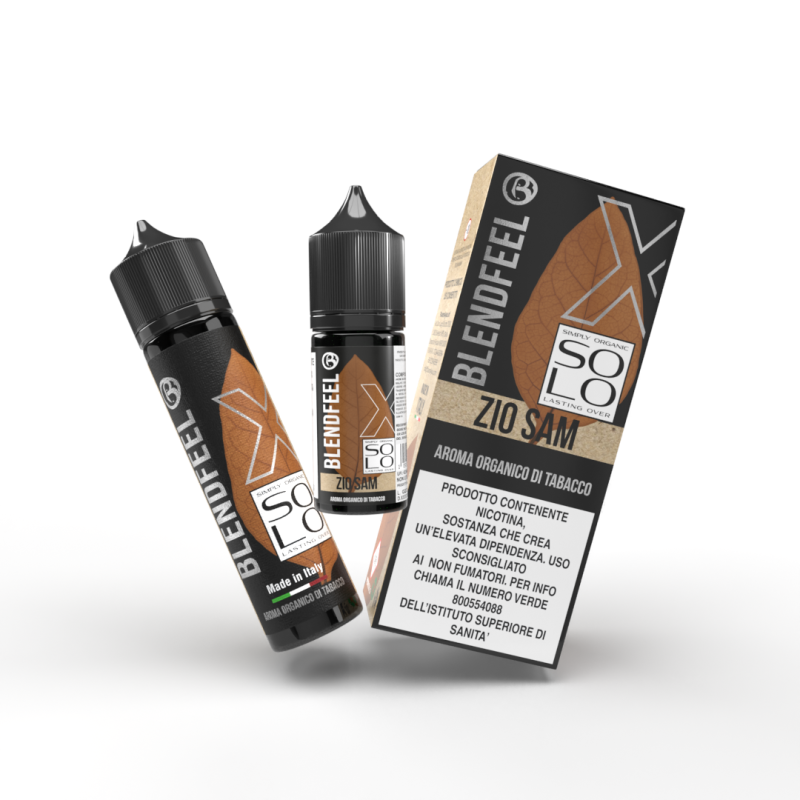
ZIO SAM
A mild “American style” blend of Cavendish, Burley and Virginia. The perfect blend for your whole day
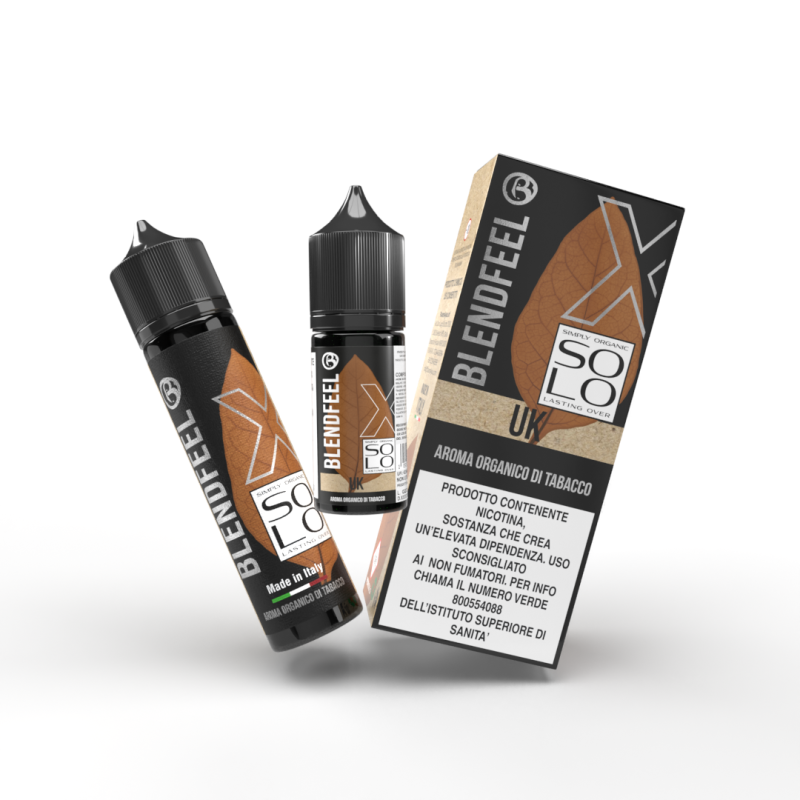
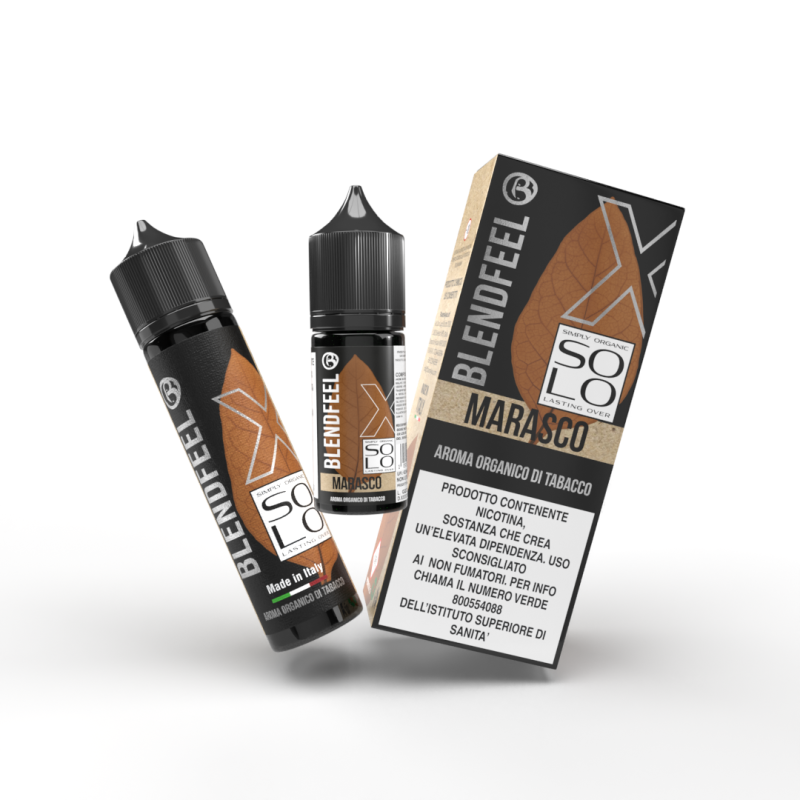
MARASCO
A blend of Virginia, Burley and Cavendish, flavoured with marasca (a particular variety of cherry) and vanilla beans
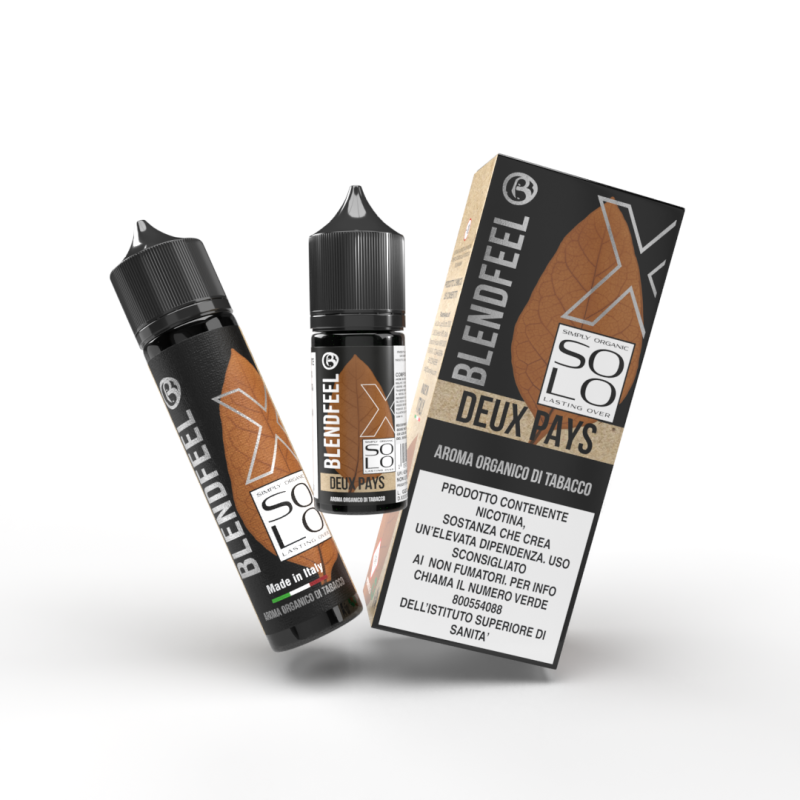
DEUX PAYS
A blend of Burley, Cavendish and Virginia, flavoured with Calvados (an apple cider distillate, produced in Normandy, France)
Curiosities
Is "Black Cavendish" burnt?
A common belief is that Black Cavendish is roasted or burnt tobacco.
In reality, the secret of its “jet-black” colour lies in a deep, controlled heat treatment, not in combustion
Here are the details of how this particular variant comes about:
The “cooking” process: the colour is not the result of flames or direct roasting, but of a process of prolonged steam cooking.
Natural caramelisation: the extreme heat of the steam acts on the natural sugars already present in the tobacco (usually Virginia), triggering a caramelisation that darkens the leaf until it turns black.
The “Unsweetened” variant: there is a prized version called Unsweetened Black Cavendish. In this case, no sugars or flavourings are added; the sweetness and colour therefore derive exclusively from the transformation of the plant’s internal sugars through steam.
In short, Black Cavendish is not “ash”, but a tobacco that has undergone a sort of “intensive sauna” to reveal its darkest and most velvety soul.
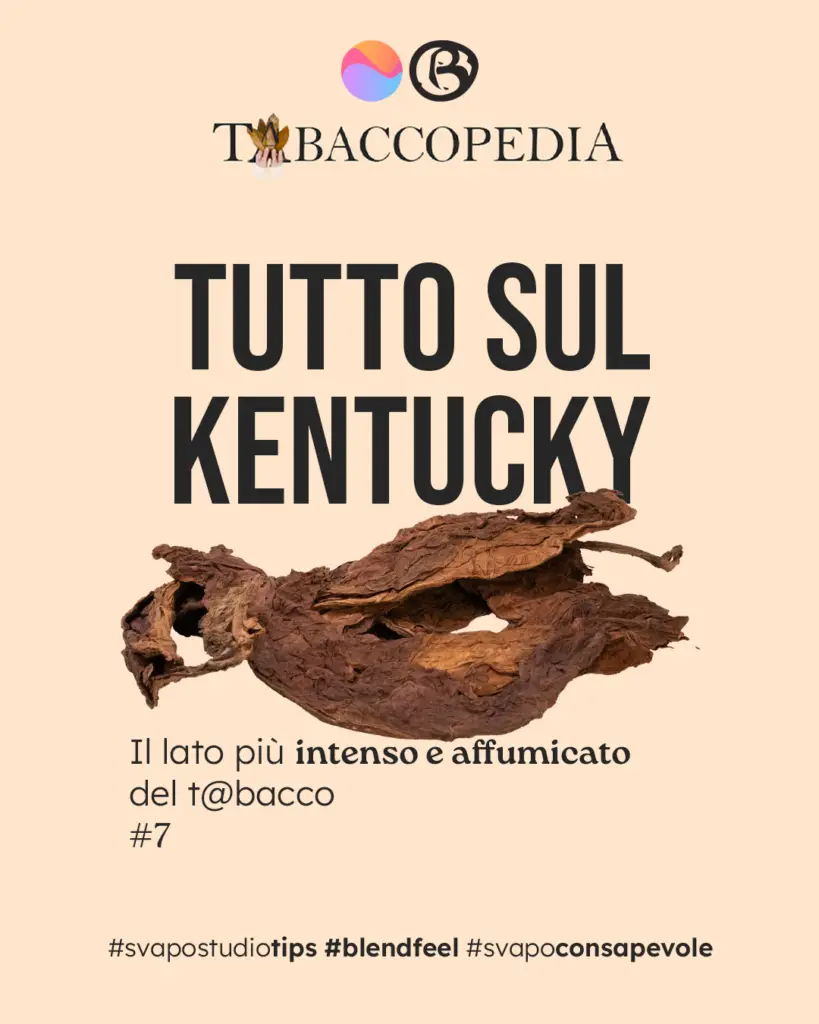
👉 Take a look at our Instagram post dedicated to Kentucky or read the article with all the in-depth details.
Follow us to stay up to date with the world of Blendfeel and vaping!