Tabaccopedia: everything about Latakia
Welcome to a new instalment of Tabaccopedia, the Blendfeel column in collaboration with SvapoStudio, dedicated to exploring the world’s most iconic tobaccos.
Having looked at the strength of Kentucky and the sweetness of Virginia, today we immerse ourselves in the exotic and mysterious atmospheres of Latakia.
Often described as the “black gold” of the eastern Mediterranean, Latakia is not just a tobacco, but an ancestral sensory experience.
Although the island of Cyprus is today the benchmark for modern production, it is in the Turkish tradition that the most archaic and wild soul of this product resides.
Are you ready to discover all its secrets? 👇
The history
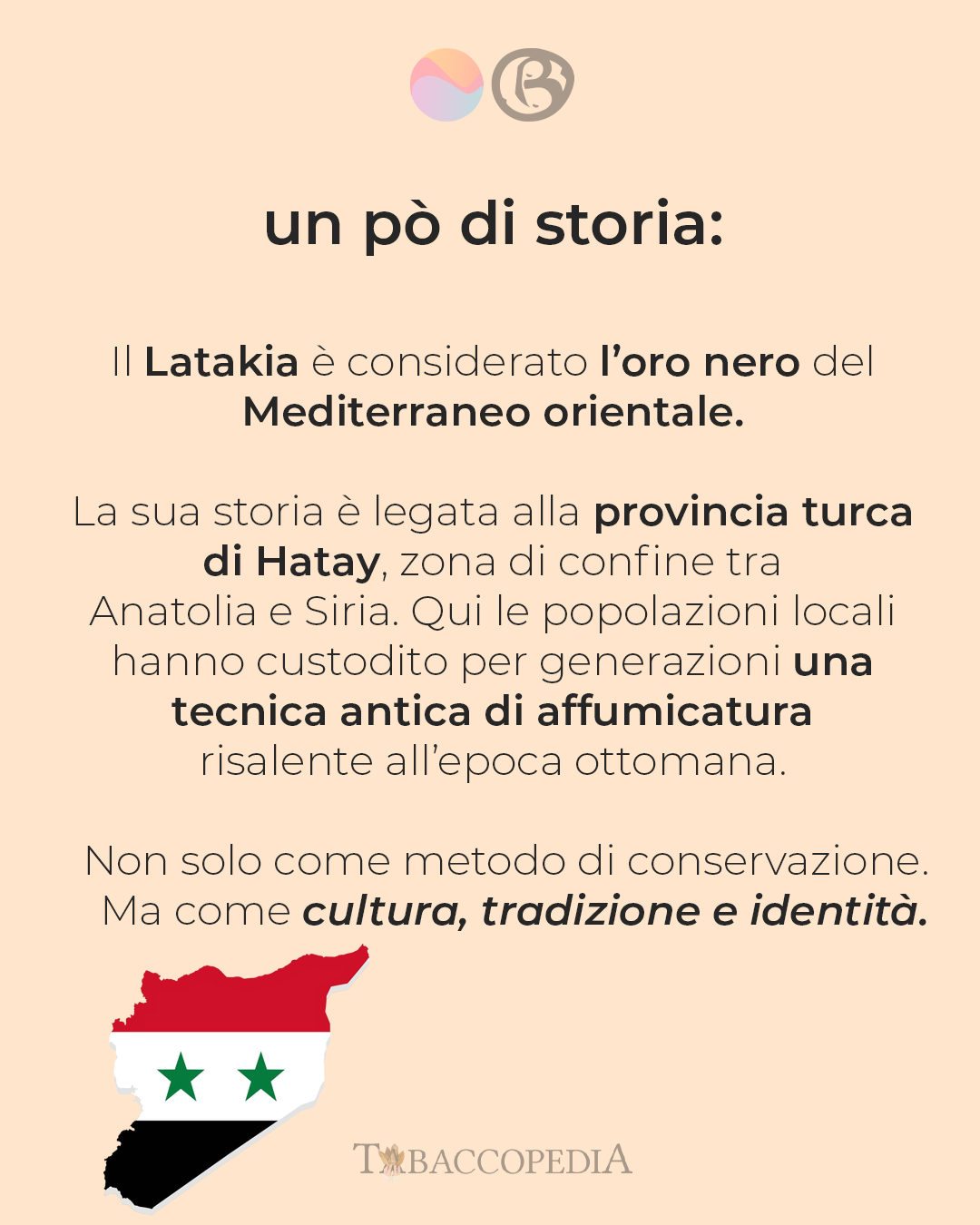
Turkish Latakia: a frontier story
The story of Turkish Latakia takes us to the province of Hatay, specifically the area of Yayladağ, a strip of Turkish land wedged towards Syria.
In these mountainous regions overlooking the sea, farmers have preserved a smoking technique dating back to the Ottoman era.
Originally born as a method of preservation, the process involved fine Oriental leaves being sun-dried and then exposed for long periods to the smoke of domestic hearths or special kilns fuelled with wood from the surrounding forests.
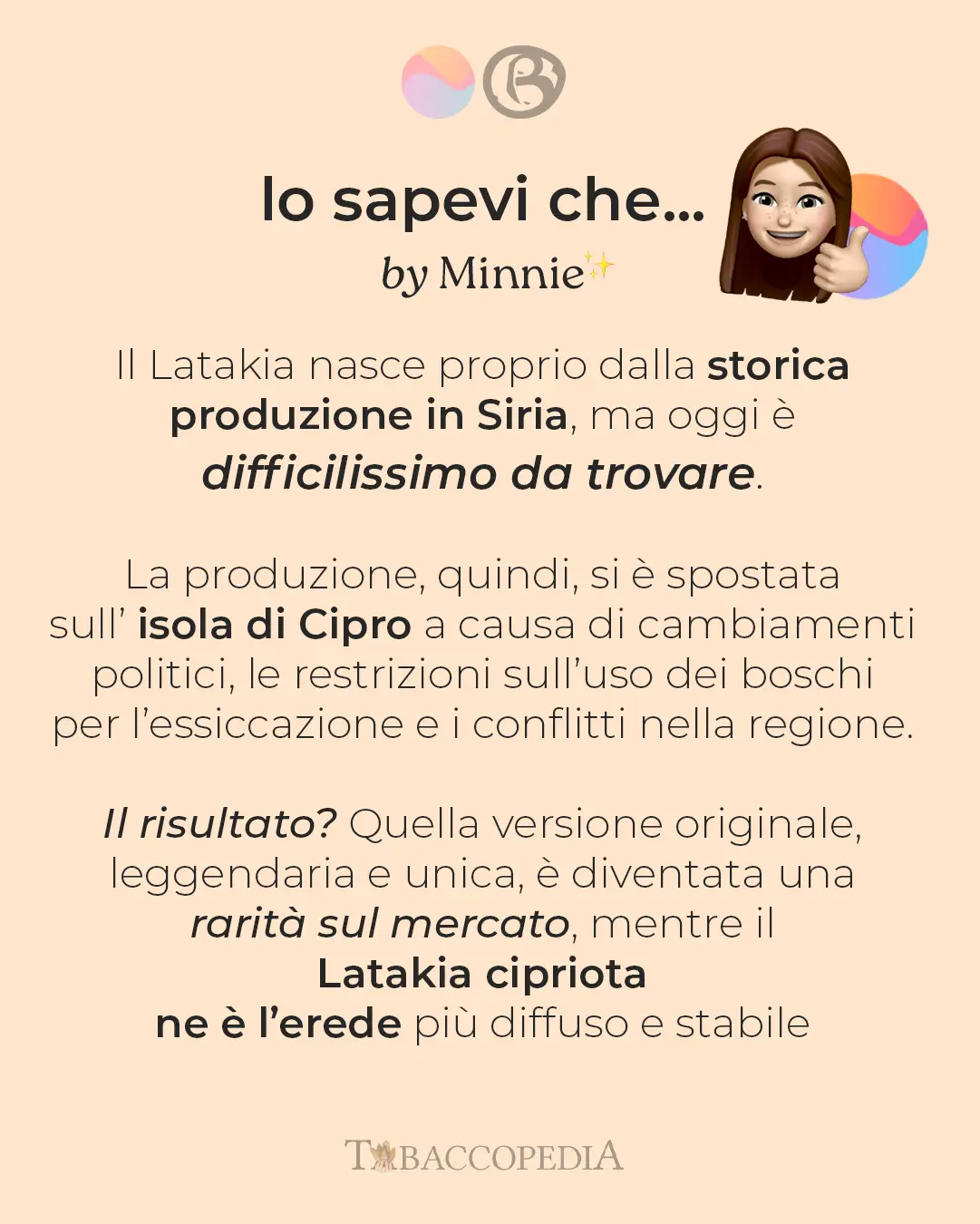
Today, this tobacco represents a “bridge” between two worlds, being the closest heir to the historic Syrian Latakia, now almost impossible to find.
The plant and the smoking “ritual”
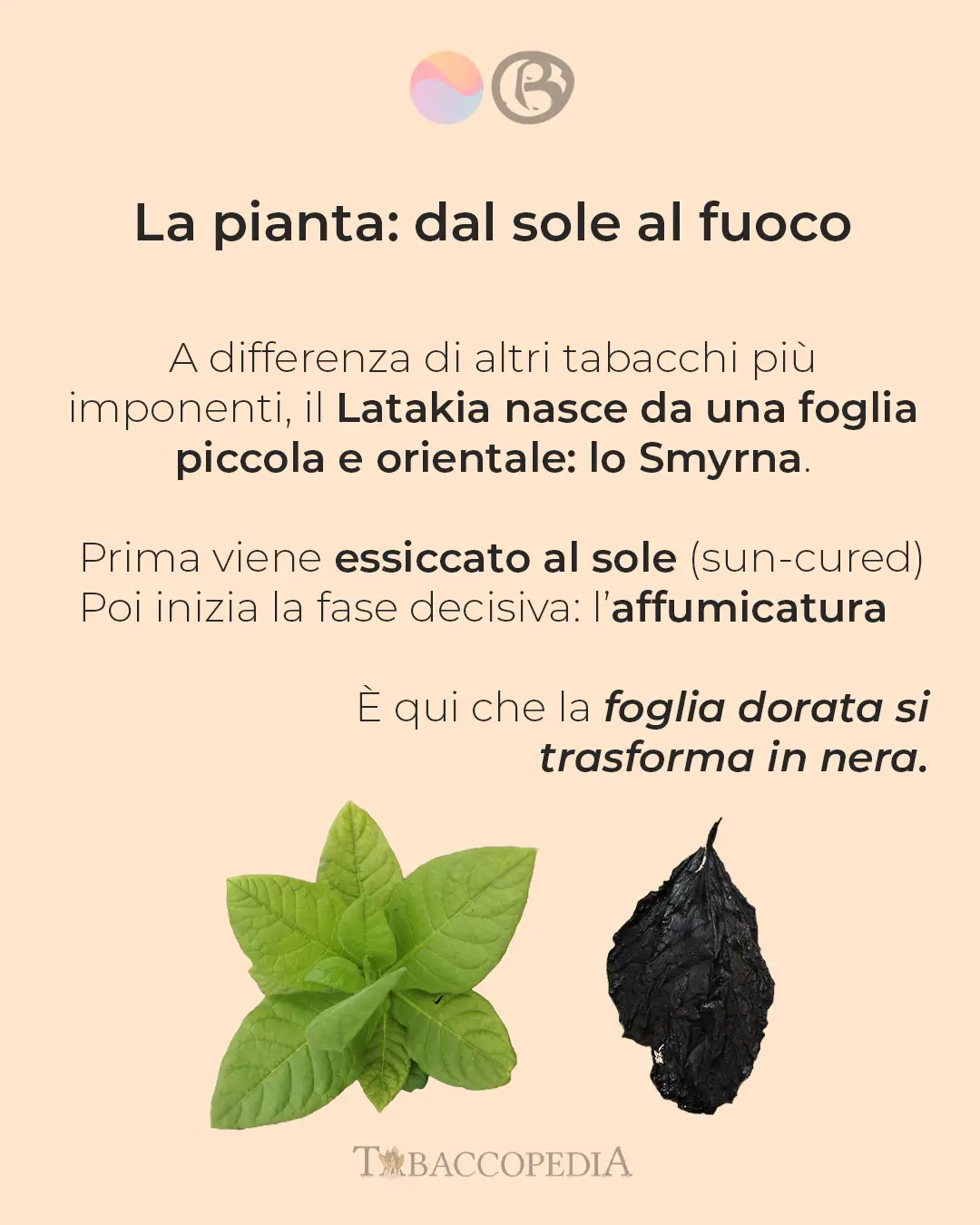
Unlike more imposing varieties, Latakia comes from a small-leaved plant, traditionally the Oriental variety called Smyrna.
This plant grows in harsh conditions, kissed by intense sun, developing leaves rich in sugars and natural oils.
In some cases, Virginia or Basma leaves can also be used for more particular variants. The real secret, however, lies in the Turkish curing, which resembles a true herbal ritual:
- Sun-curing: The leaves initially take on a golden colour thanks to drying in the sun.
- Smoking: This takes place in enclosed rooms using a mix of oak, pine, wild aromatic herbs and shrubs of the Turkish scrubland.
- Result: This particular blend of woods and resins gives the tobacco a less sweet profile than other varieties, making it drier, more aromatic and more pungent.
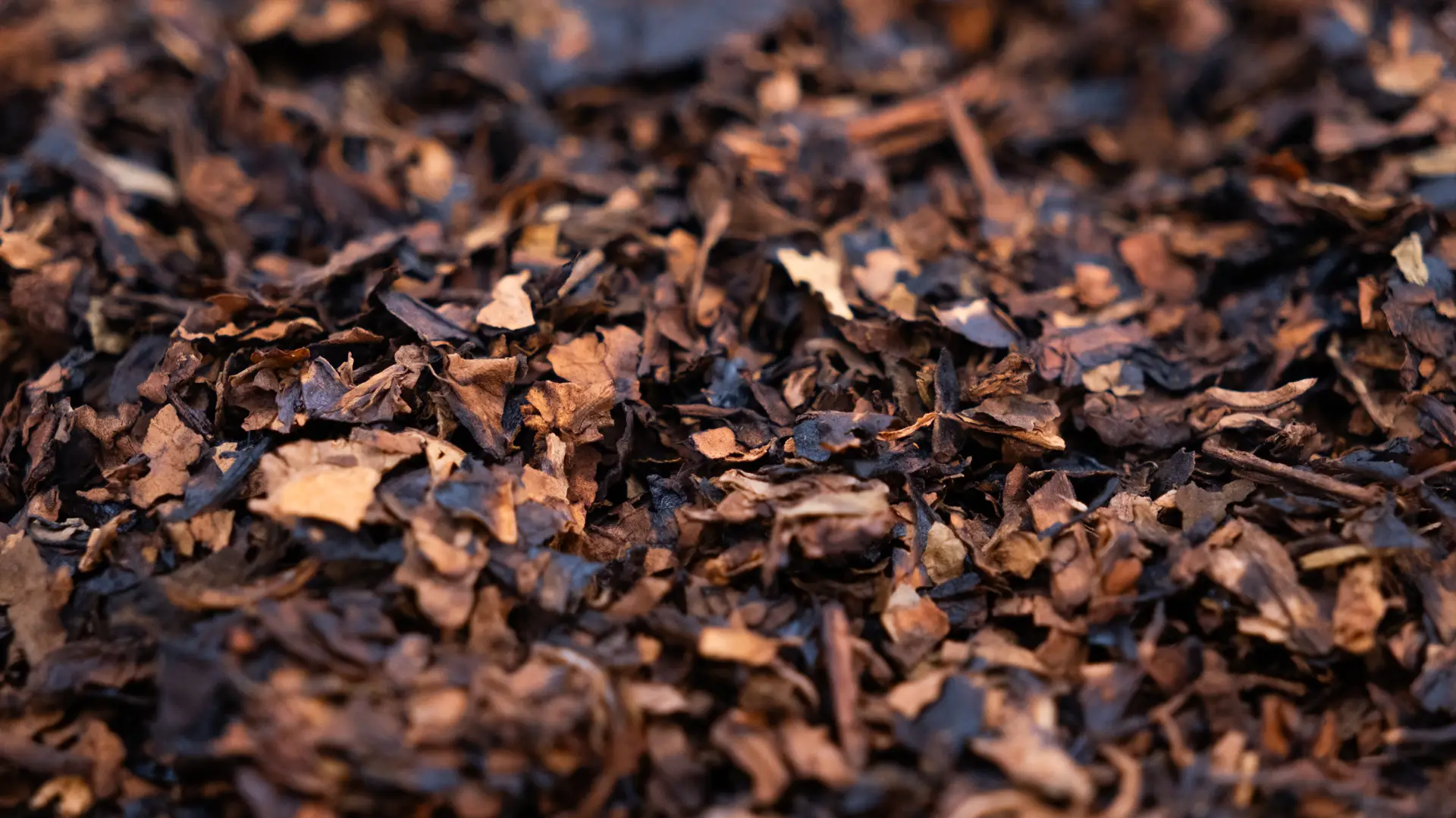
The taste
The aromatic nuances
Latakia is one of those somewhat divisive tobaccos: some love it (or rather are obsessed with it) and others can’t stand it.
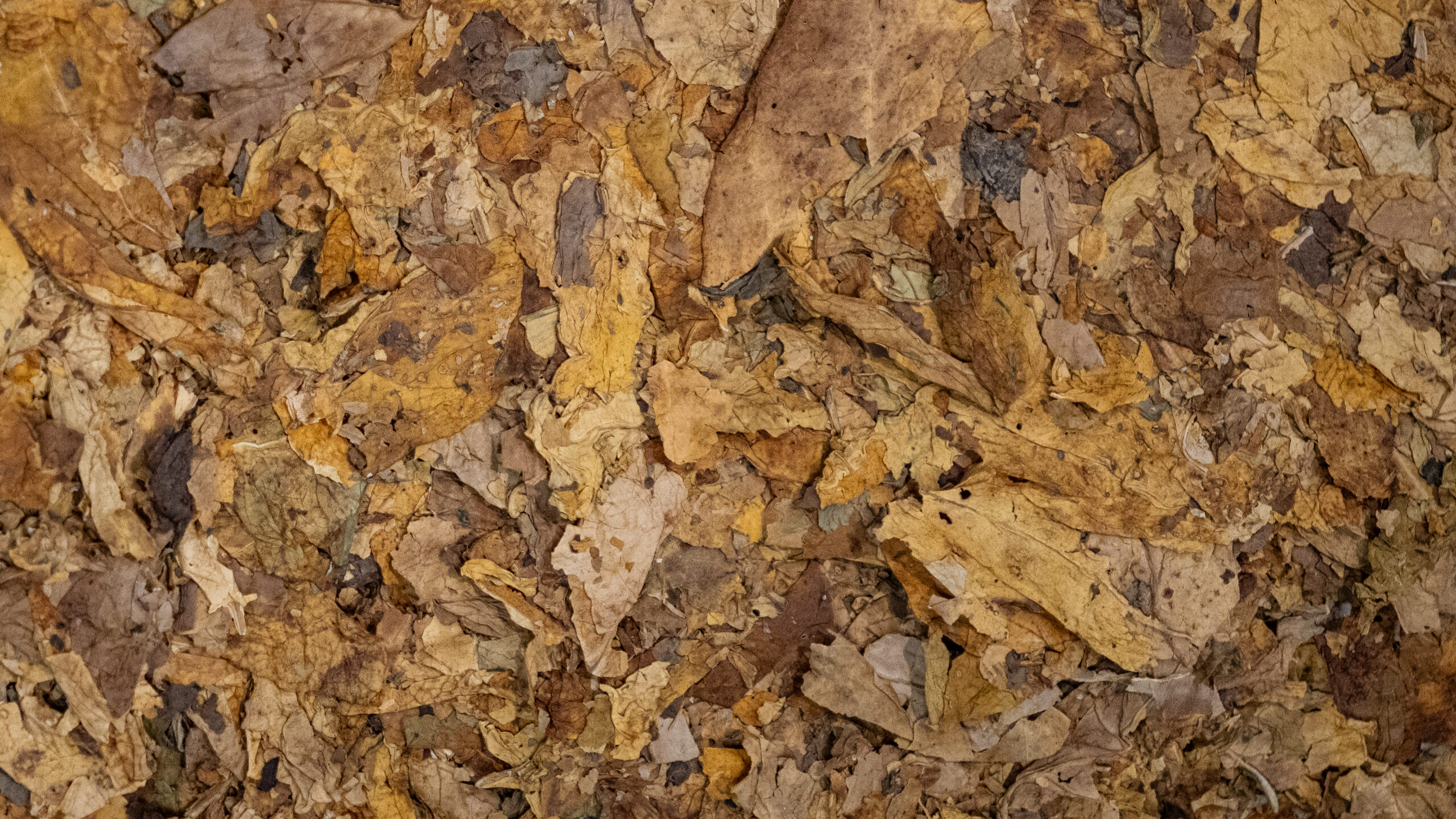
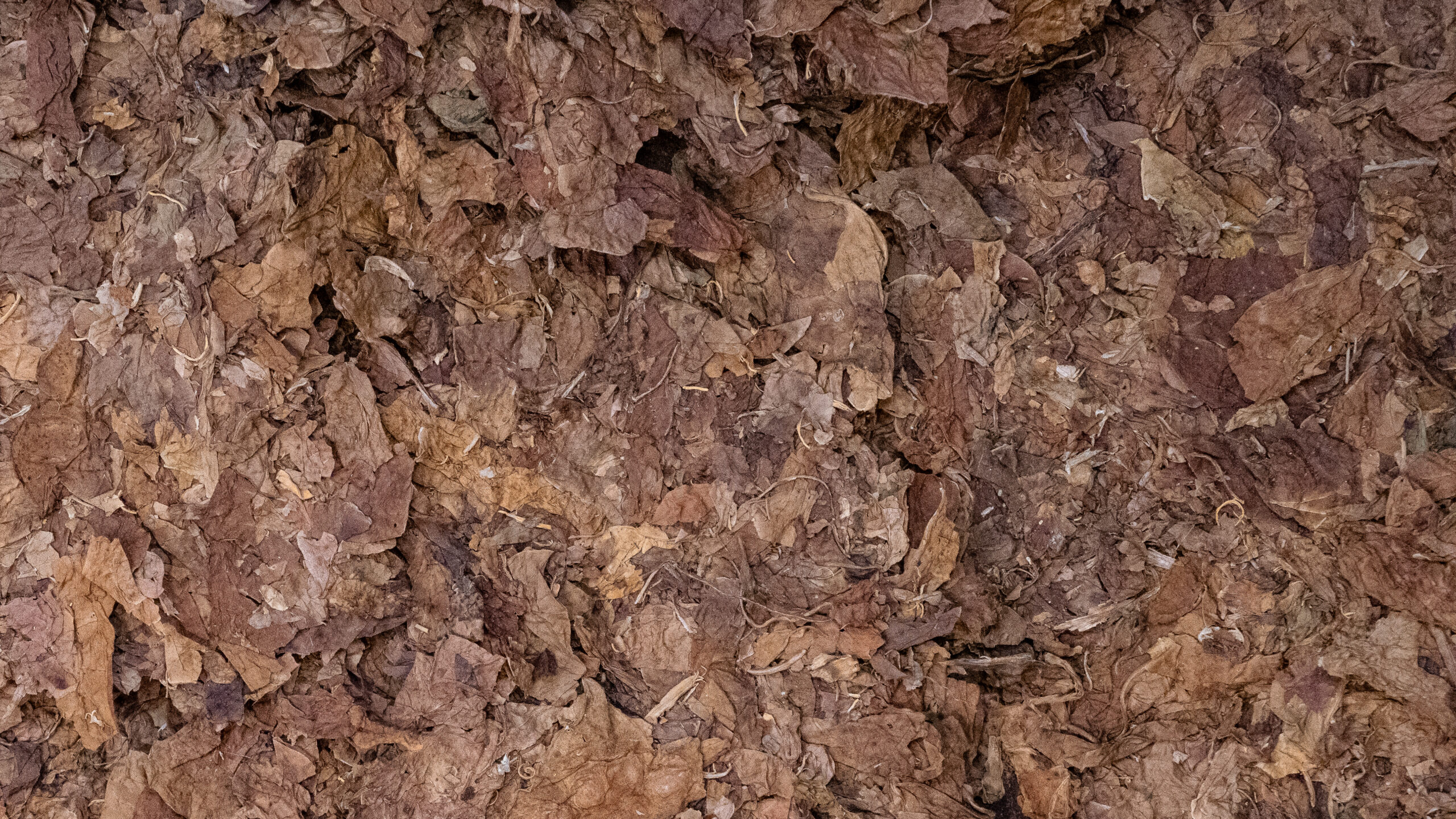
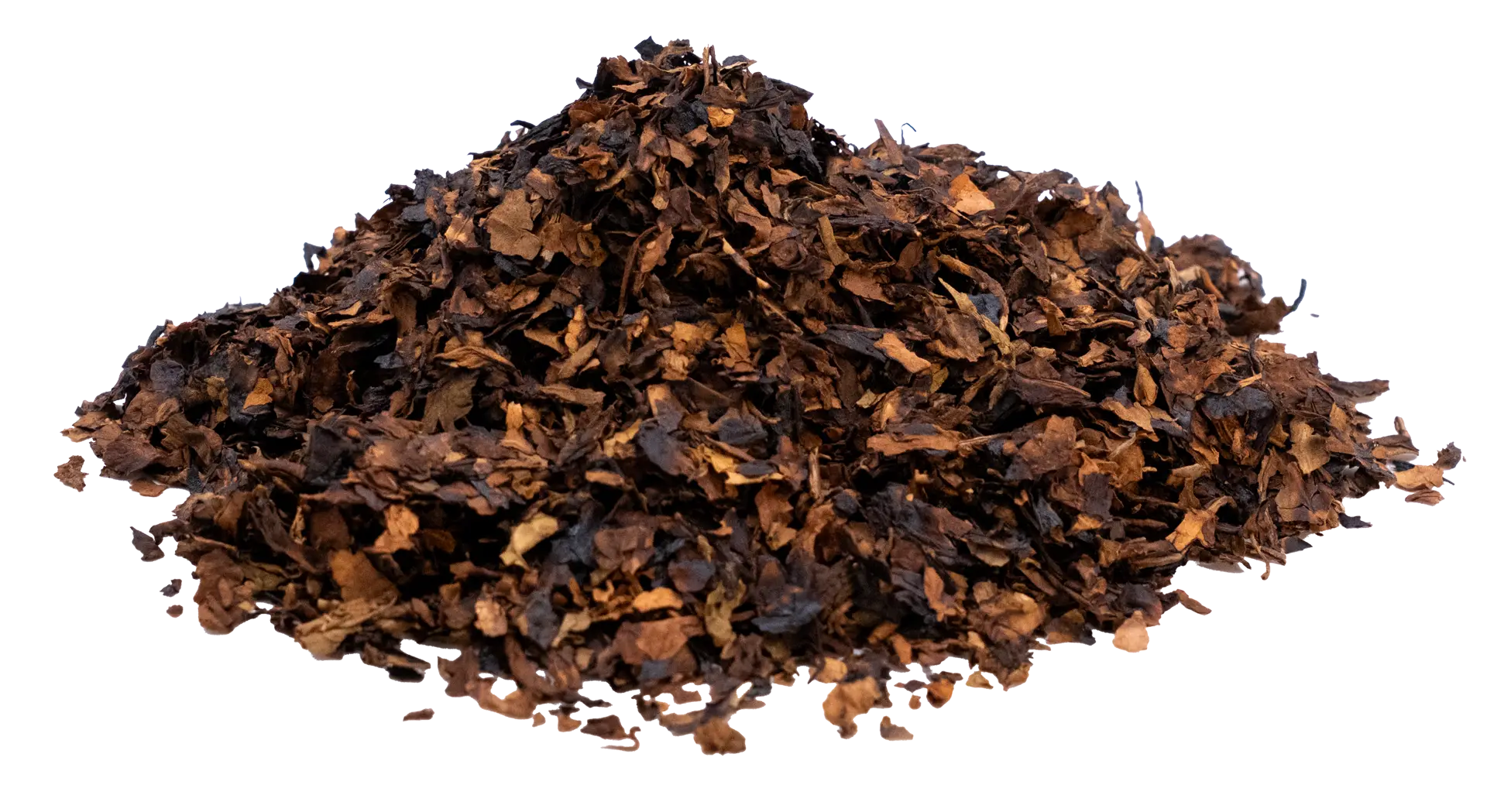
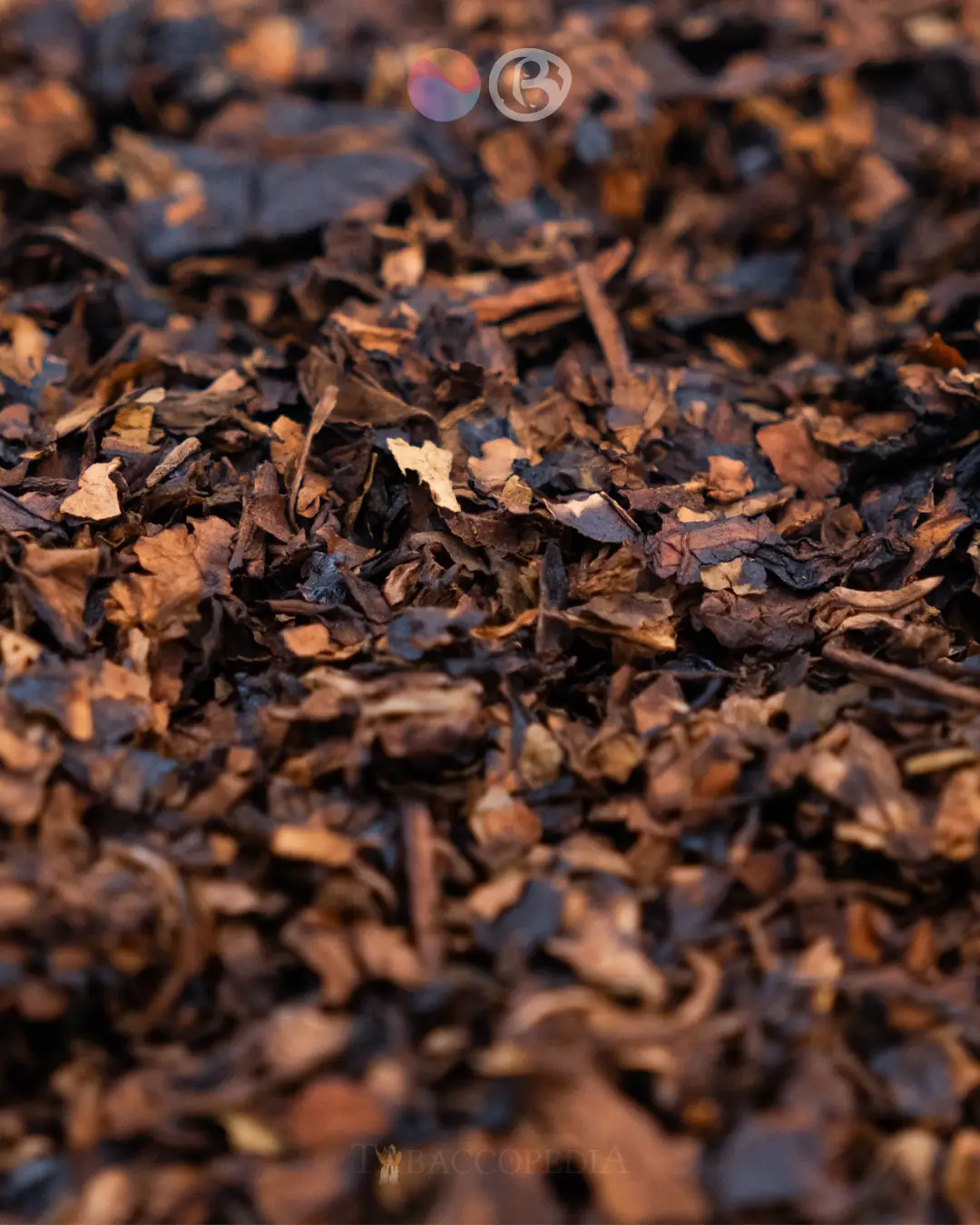
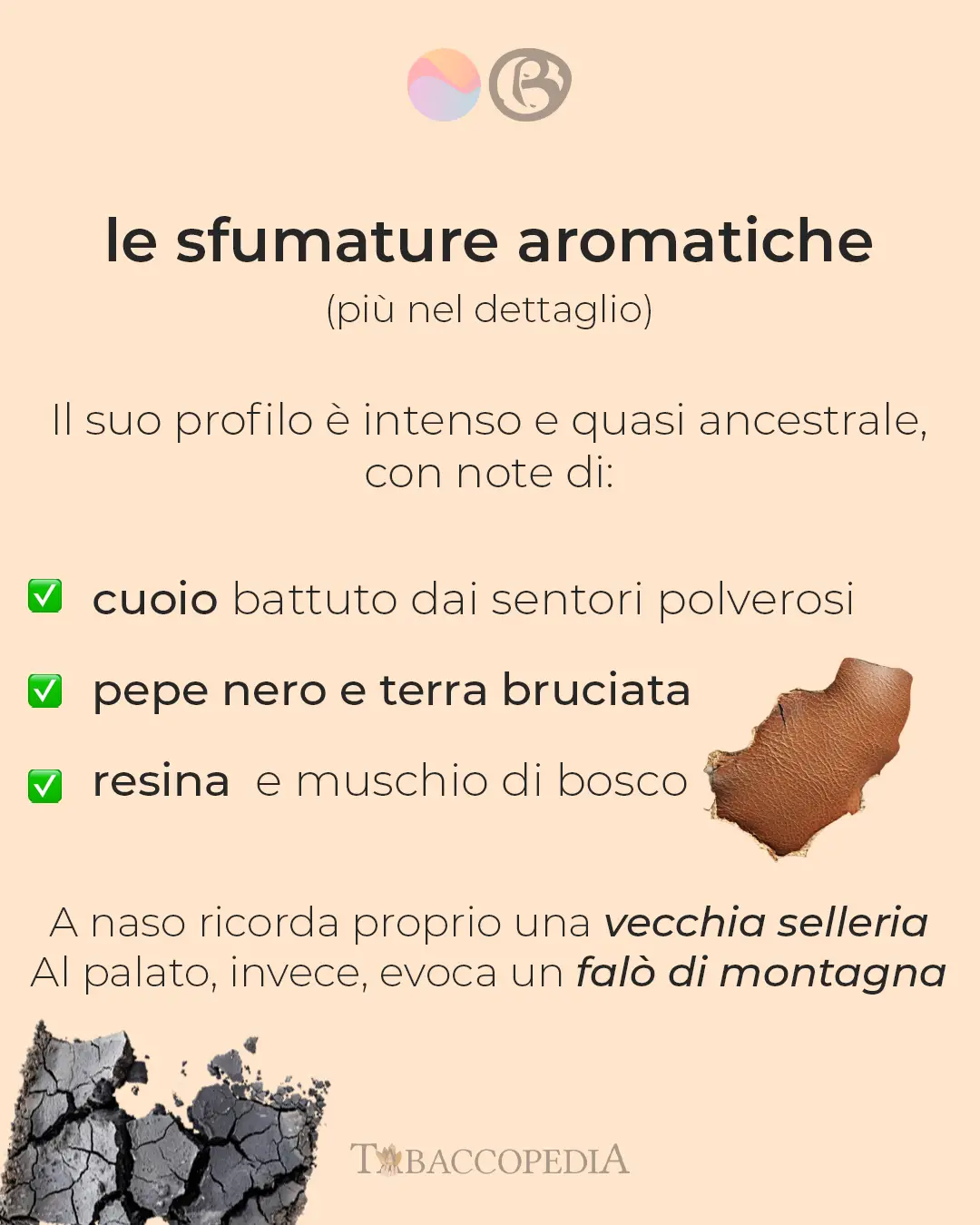
You recognise it immediately by its scent: it is an intense experience that evokes wild scenarios where notes of worked leather (like an old saddlery), arid earth and wild moss predominate. It is a fragrance described as “dusty” and noble.
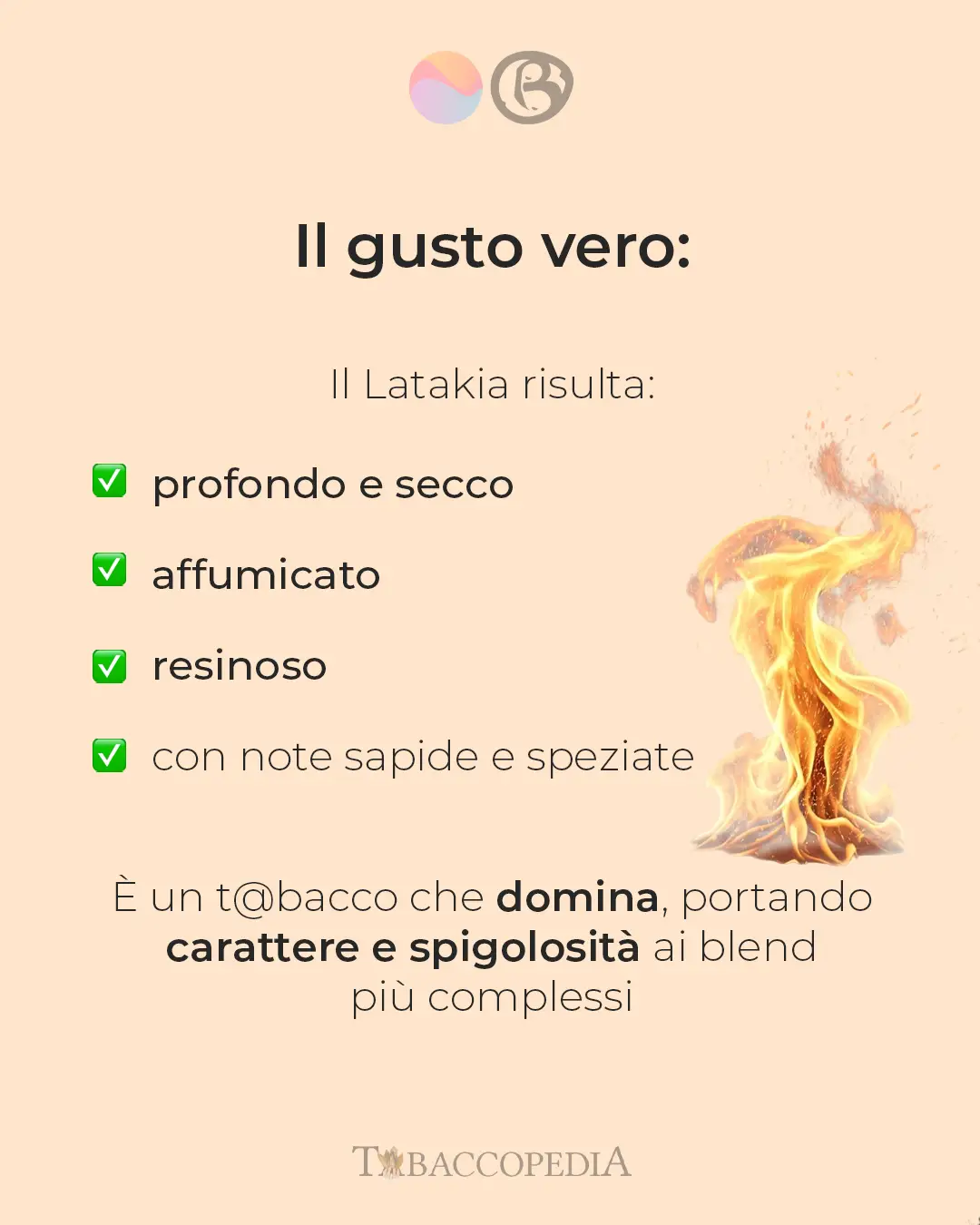
Its taste and aromatic profile is unique and strongly characterful:
- deep
- dry
- smoky
- incense-like
- resinous
- with savoury, spicy notes.
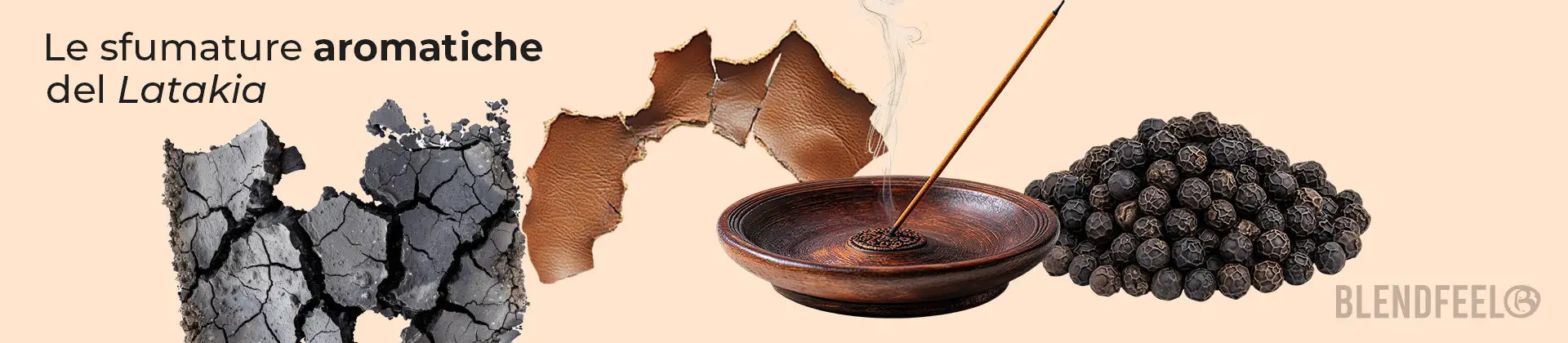
When vaping, all of its “ancestral” character comes through, with notes of weathered leather with dusty hints, black pepper and scorched earth.
The smoking: a herbal ritual
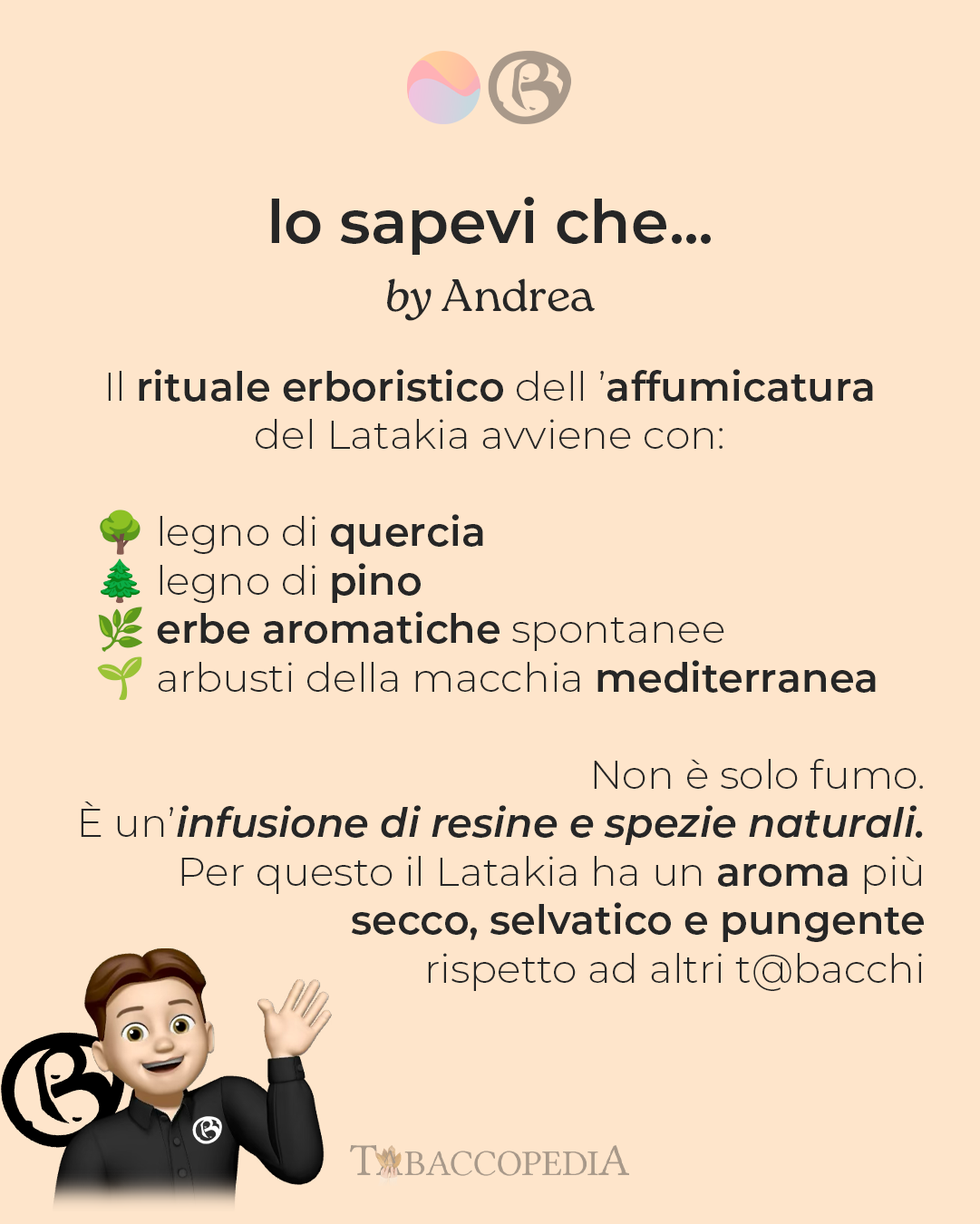
Latakia is smoked using oak wood, pine wood, wild aromatic herbs and shrubs of the Mediterranean scrubland. It is not just smoke, but a true ritual that makes Latakia dry and particularly wild and pungent in taste.
The two souls of Latakia: Turkish vs. Cypriot
Although we always talk about Latakia, as we have learned in this column, the place of cultivation is very important. Indeed, Turkish and Cypriot Latakia differ in some respects. Let’s take a look:
🇹🇷 Turkish Latakia: the wild character
Turkish Latakia, originating from the Yayladağ area, represents the continuity of the oldest and most archaic tradition.
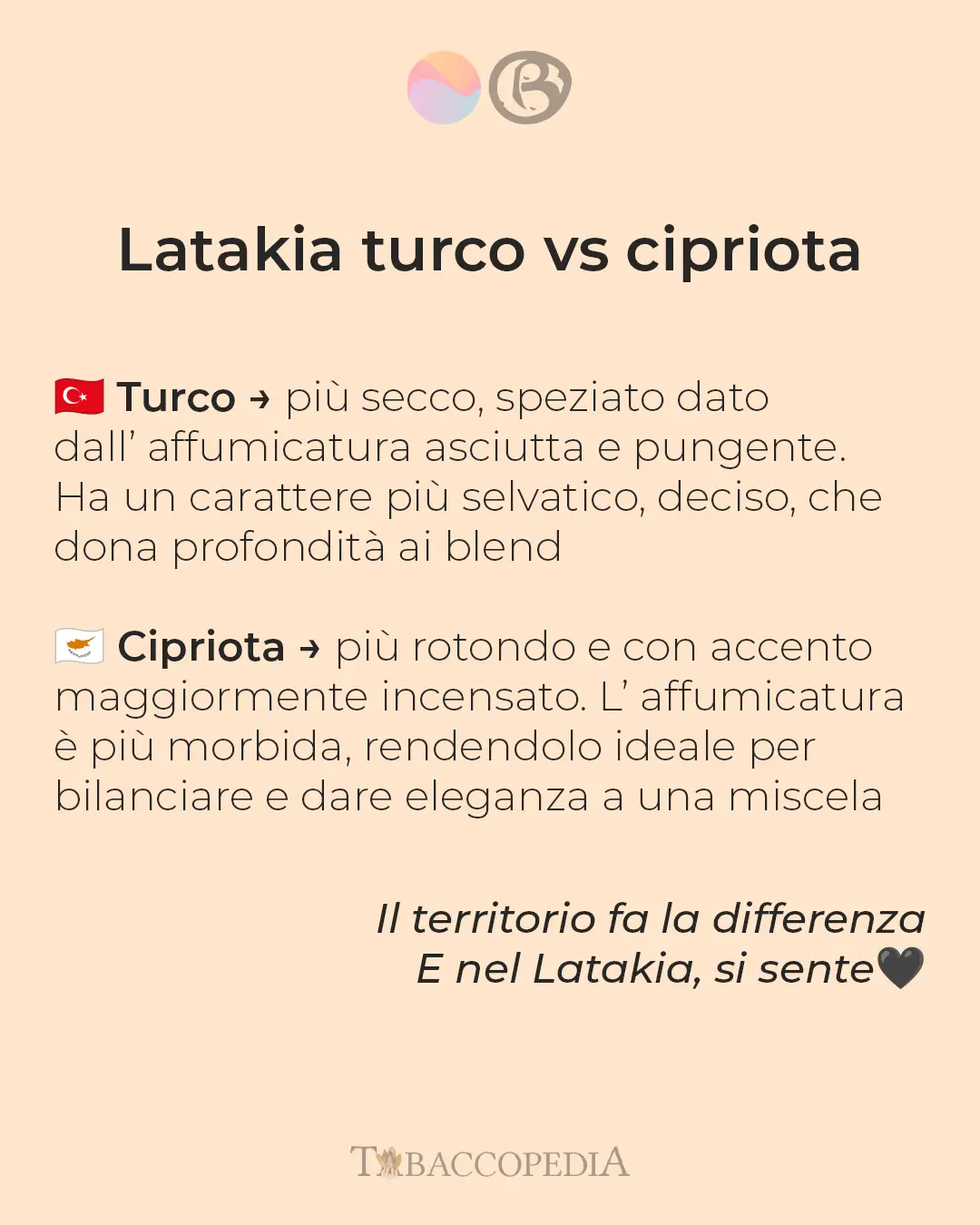
Compared with the Cypriot, it is drier and spicier because of the dry, pungent smoking. Its character is wild and decisive, and it gives depth to blends.
🇨🇾 Cypriot Latakia: rounded elegance
On the island of Cyprus, Latakia has found its greatest modern expression, developing softer characteristics.
Cypriot Latakia is rounder, less angular and stands out for a more pronounced incense note. The smoking is softer, which makes it ideal for balancing blends and lending them elegance
Flavour recommendations
Now that we have seen the aromatic nuances of Latakia, we recommend which Blendfeel flavours to try. Get ready, because we have quite a few suggestions:
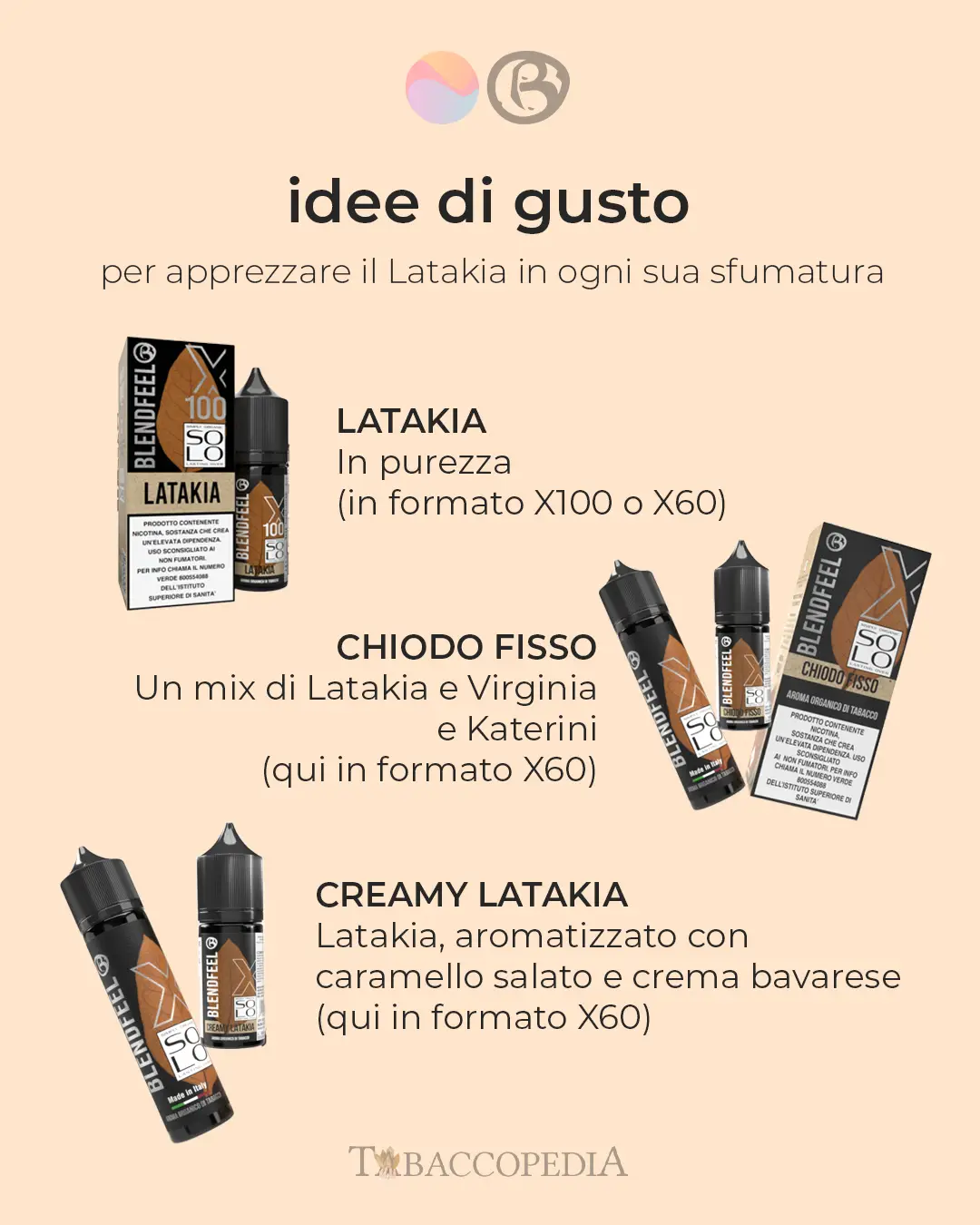
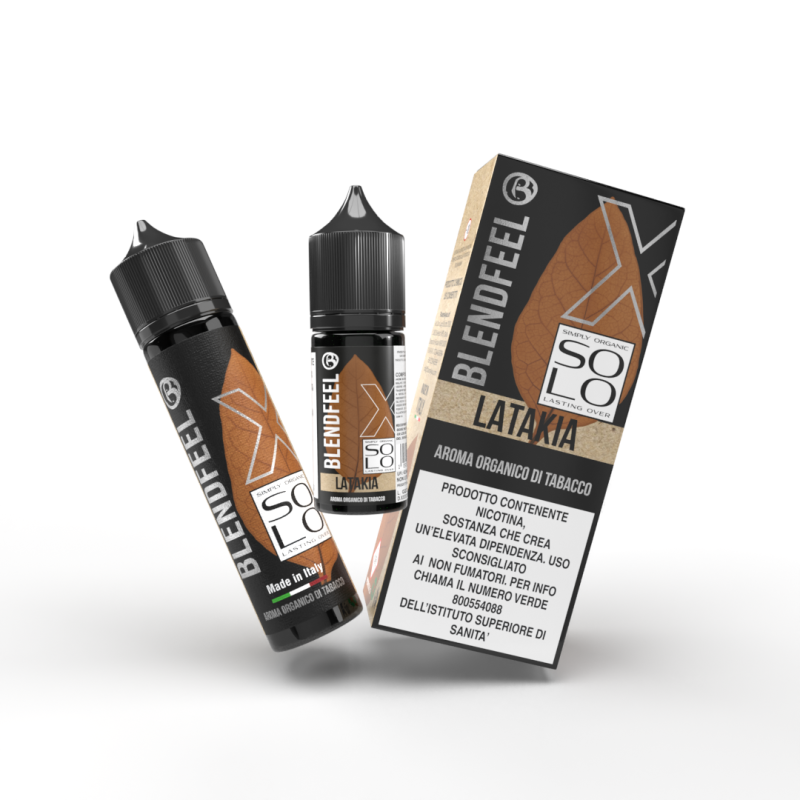
Latakia
As always, the first suggestion is pure Latakia, raw and unadorned. Not a flavour for everyone, but only for true Latakia addicts
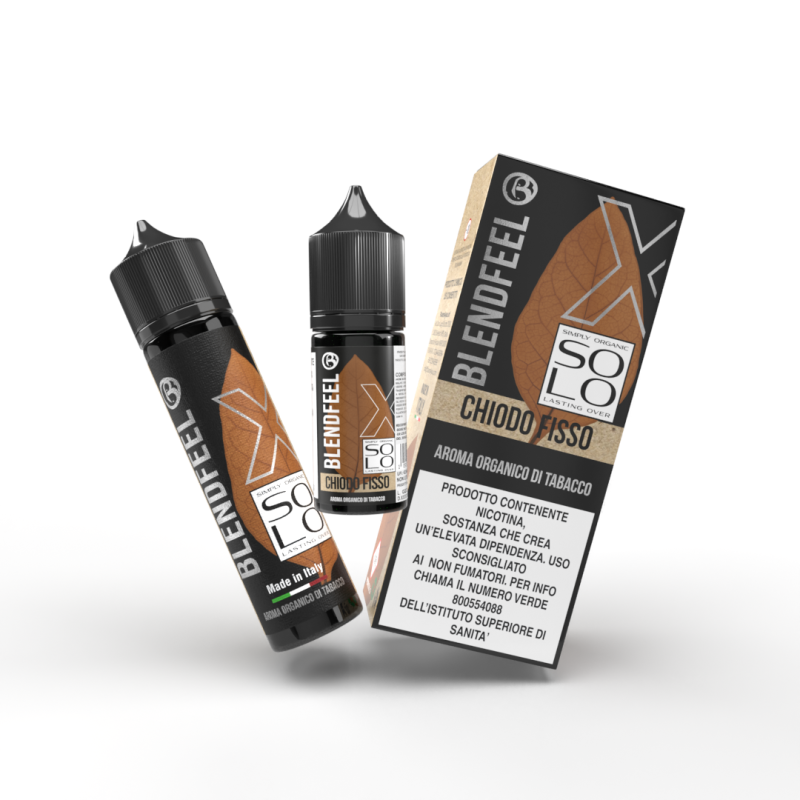
Chiodo Fisso
Now I suggest Latakia in a blend: a bold mixture of Latakia, Virginia and Katerini. Here Latakia keeps its strong character and is embraced by Virginia and Katerini, two light-coloured leaves
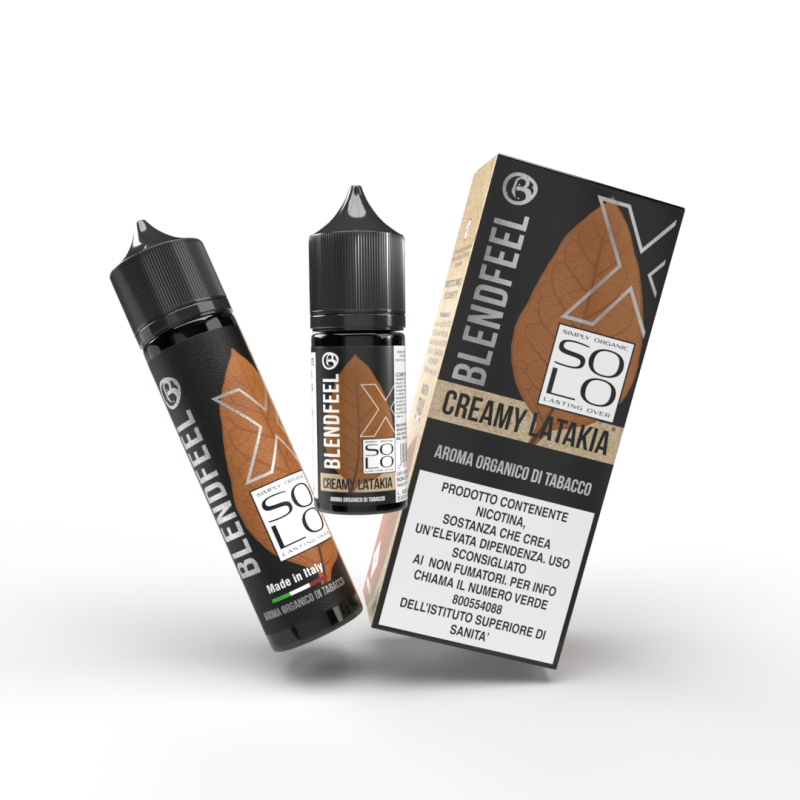
Creamy Latakia
Do you love Latakia, but prefer it in a softer version? Creamy Latakia is the option: here the Latakia is softened by salted caramel and Bavarian cream. The result is a flavour that is bold and gourmand at the same time
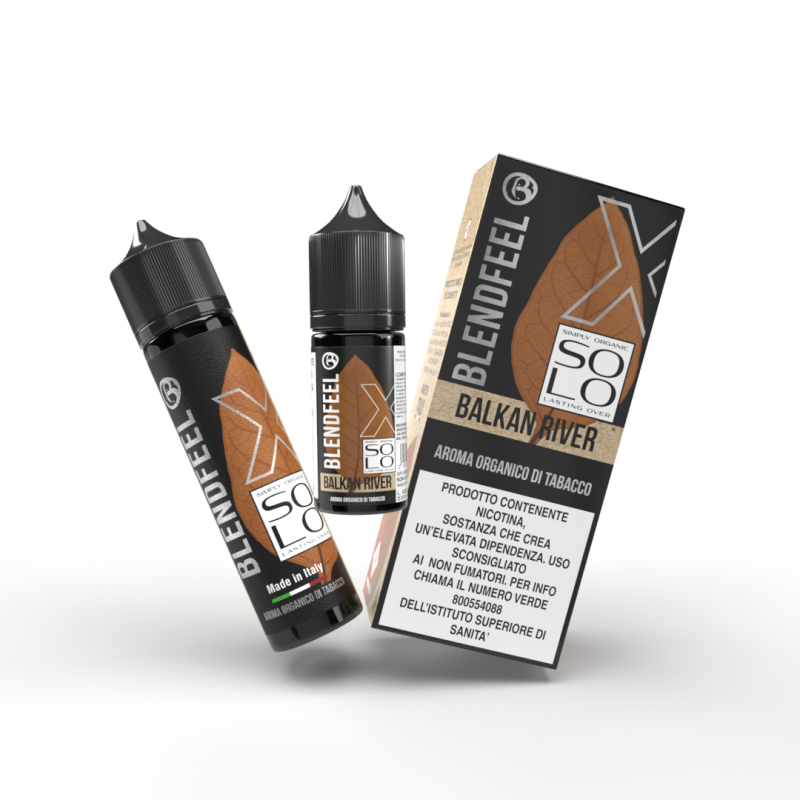
Balkan River
An Oriental blend of Basma, Virginia, Latakia and Perique. In this flavour the intensity of Latakia and Perique is tempered by the honeyed notes of Virginia and the elegance of Basma. An intense, spicy flavour, in true Oriental style
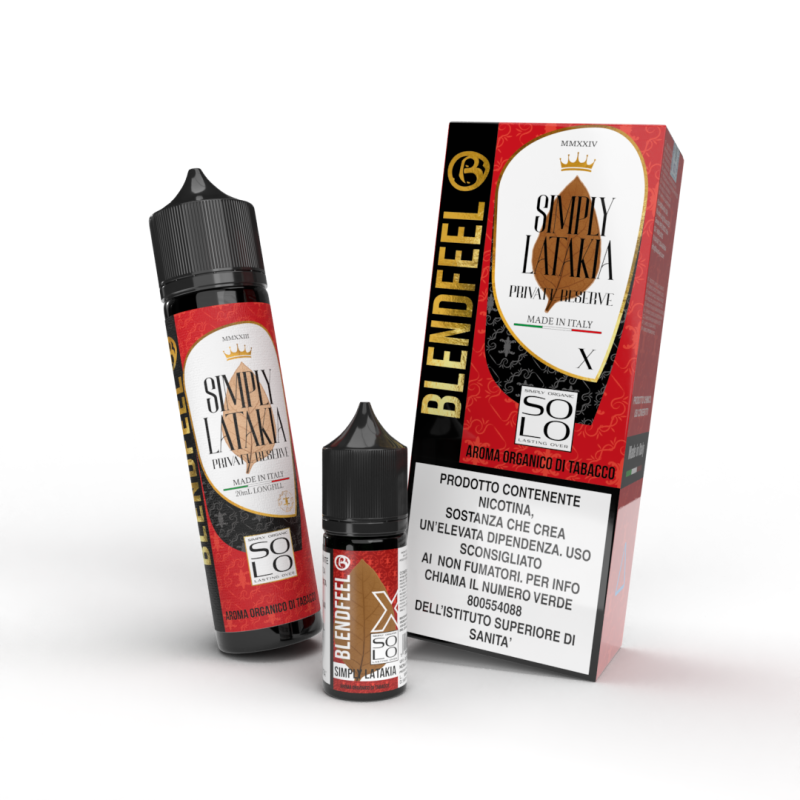
Simply Latakia
Last but not least: His Majesty Simply Latakia. The ultimate for Latakia addicts. This is a pure extract of Cypriot Latakia: incense-like, smoky, rich, intense, for a tasting experience (or why not for the whole day)
Unfortunately Simply Latakia is no longer available; to find out why and what we are doing about it read this article
In conclusion
We have explored how Latakia is not just a tobacco, but a true sensory rite rooted in the lands of Syria and Cyprus. Called the “king of Oriental tobaccos”, it represents the very essence of intensity and mystery.
To recap, here are the key points that make Latakia a unique experience:
History: Originally from the Syrian city of Latakia, today it comes from Cyprus and Turkey
Processing method: fire-cured
Taste: strong smoky notes, hints of leather, resinous woods and a typical trail of incense
Recommended products:
- Latakia
- Chiodo Fisso
- Creamy Latakia
- Balkan River
- Simply Latakia
Choosing Latakia means embracing a tobacco that accepts no compromise, able to carry the palate on a journey through eastern markets and ancient traditions.